Intergenerational workshops “What I know about Europe. What do you know?” launch to promote media literacy in the face of disinformation
- The Representation of the European Commission in Barcelona, the Diputació de Barcelona and Learn to Check launch the initiative, which will reach fifteen libraries
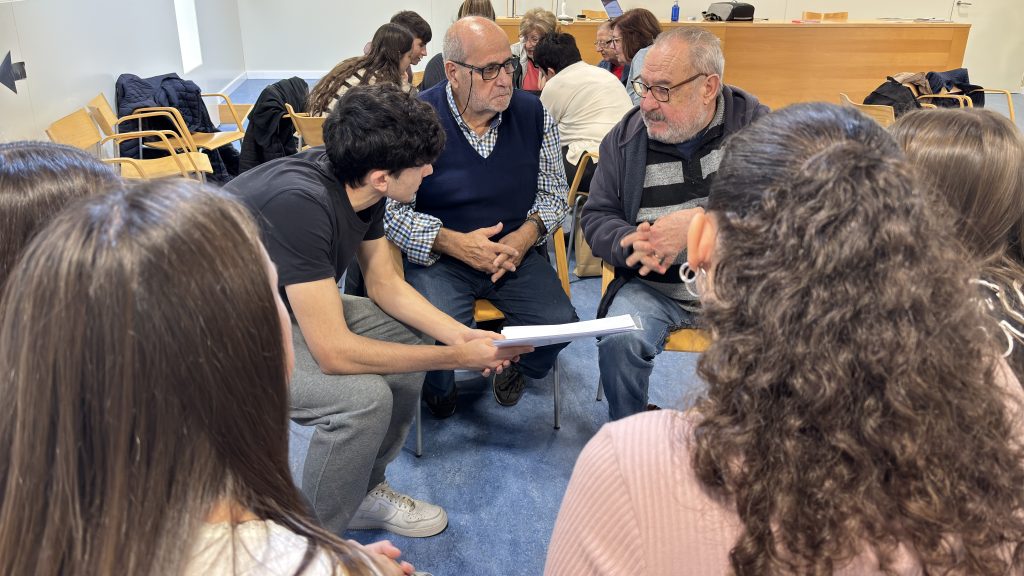
- The project proposes a generational exchange: young people teach older people to verify information digitally and seniors offer students their life experience and knowledge of the old continent
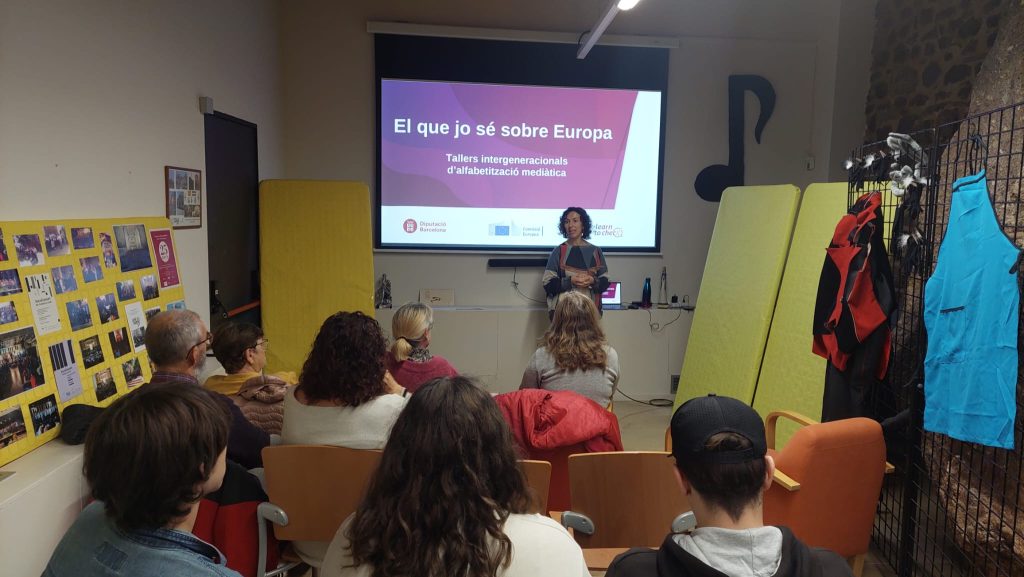
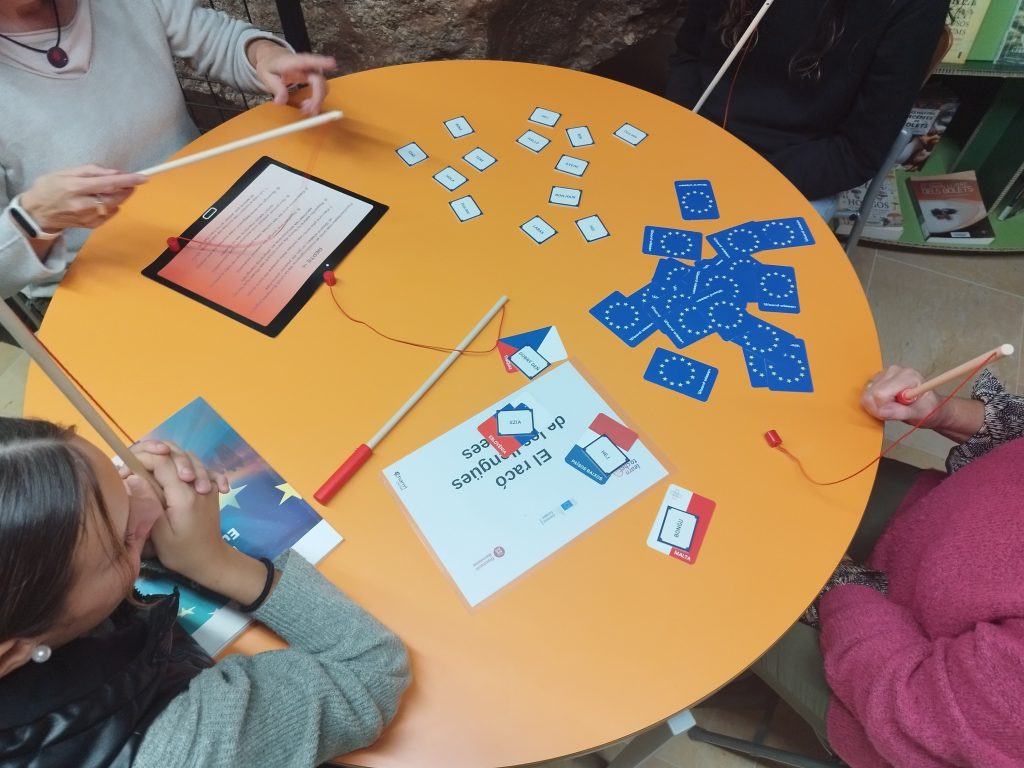
The initiative “What I Know About Europe. And You, What Do You Know?” is an innovative proposal for intergenerational workshops on media and information literacy (MIL) aimed at collectively tackling disinformation while promoting and sharing European democratic values. The project seeks to train both young people and older adults in combating disinformation and using digital verification tools, spreading knowledge about the European Union and its values, and at the same time, fostering and strengthening intergenerational bonds. Promoted by the Barcelona Provincial Council—through the Directorate of International Relations and the Library Services Management—the Representation of the European Commission, and the media education association Learn to Check, the initiative will reach fifteen municipalities in the province of Barcelona in its first edition.
The growing disinformation we are exposed to poses a threat to our health, security, and democracy. This has been demonstrated by the fake news that spread during the COVID-19 pandemic and the ongoing disinformation related to the war in Ukraine, promoted by the Kremlin. The intergenerational workshop initiative “What I Know About Europe. And You, What Do You Know?” aims to raise awareness among both young people and adults about the existence and dangers of disinformation, foster intergenerational dialogue, and teach participants how to contextualize and digitally verify information, photographs, videos, AI-generated fraudulent content, and fake social media accounts. Ultimately, the initiative seeks to promote critical thinking in both content consumption and production, uphold and share democratic values, and defend digital rights, ensuring that everyone can exercise their right to accurate information and democratic participation without interference—both now and in the future.
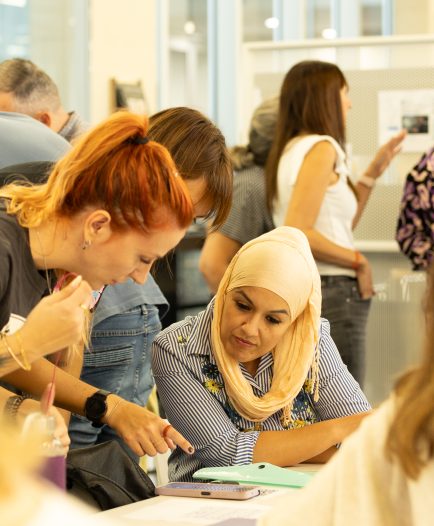
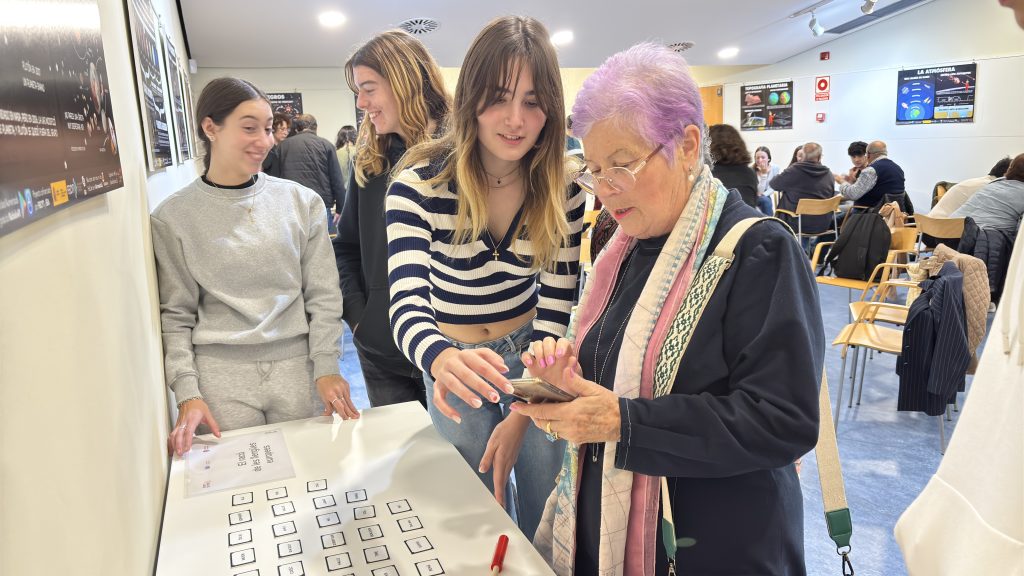
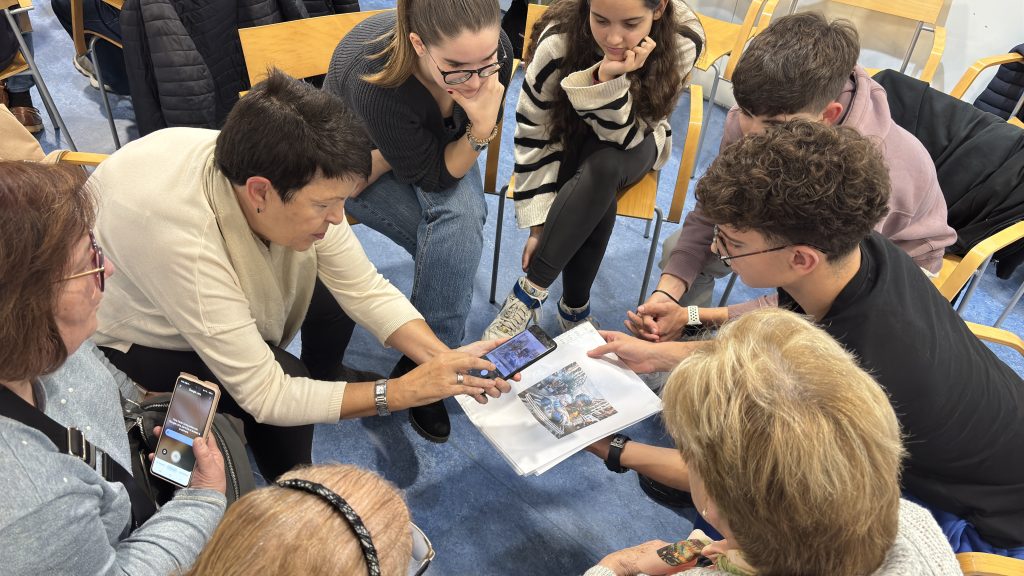
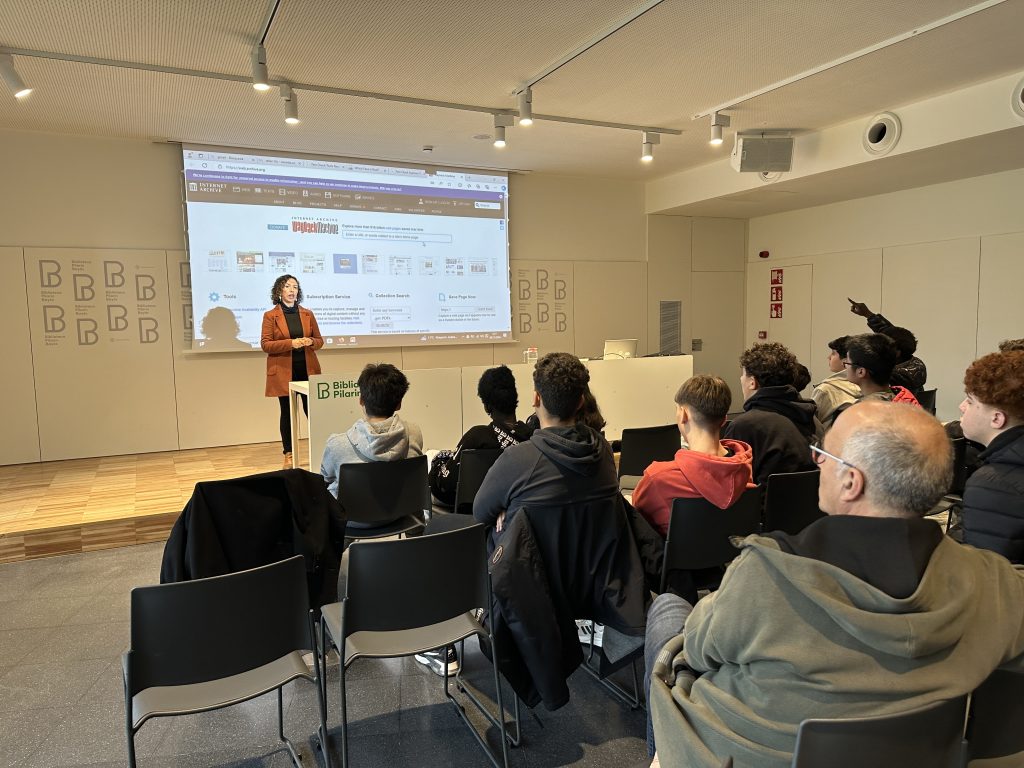
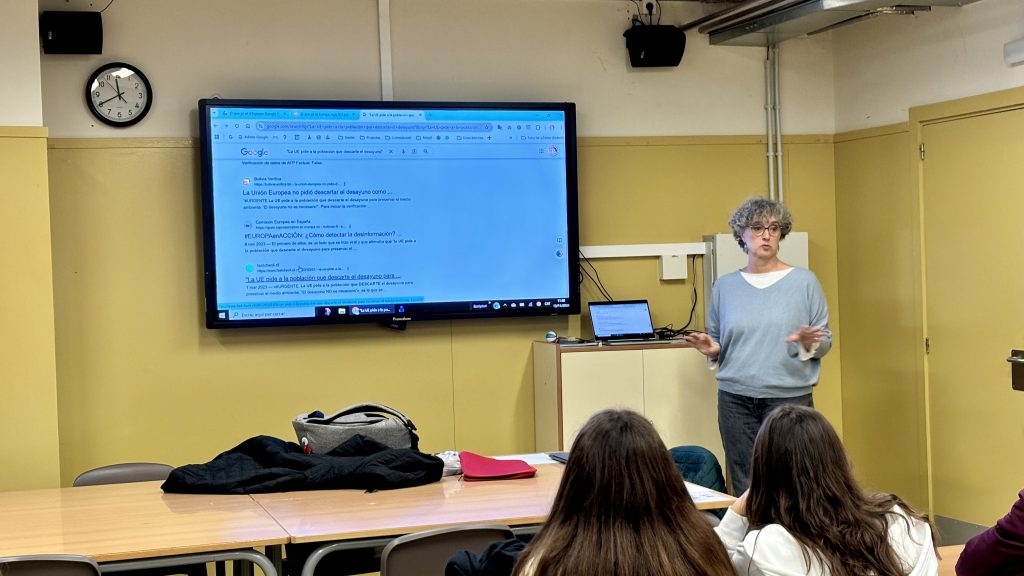
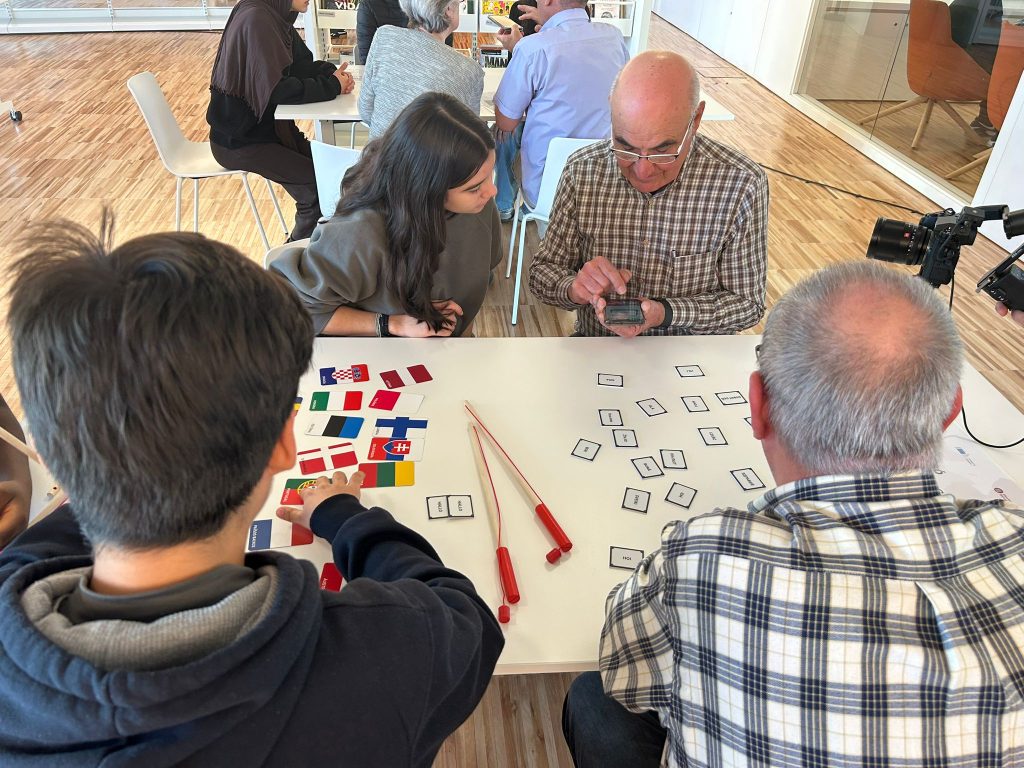
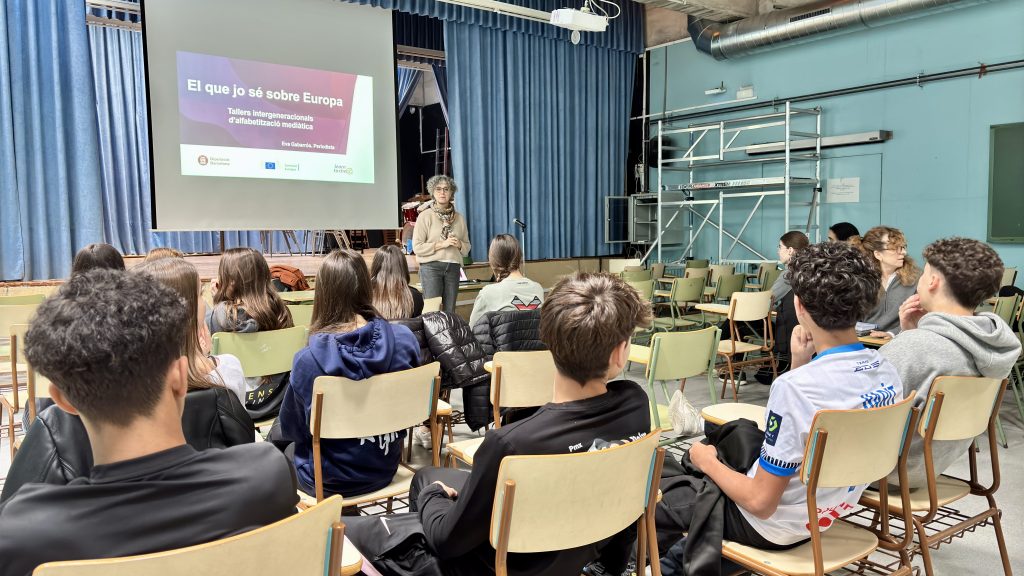
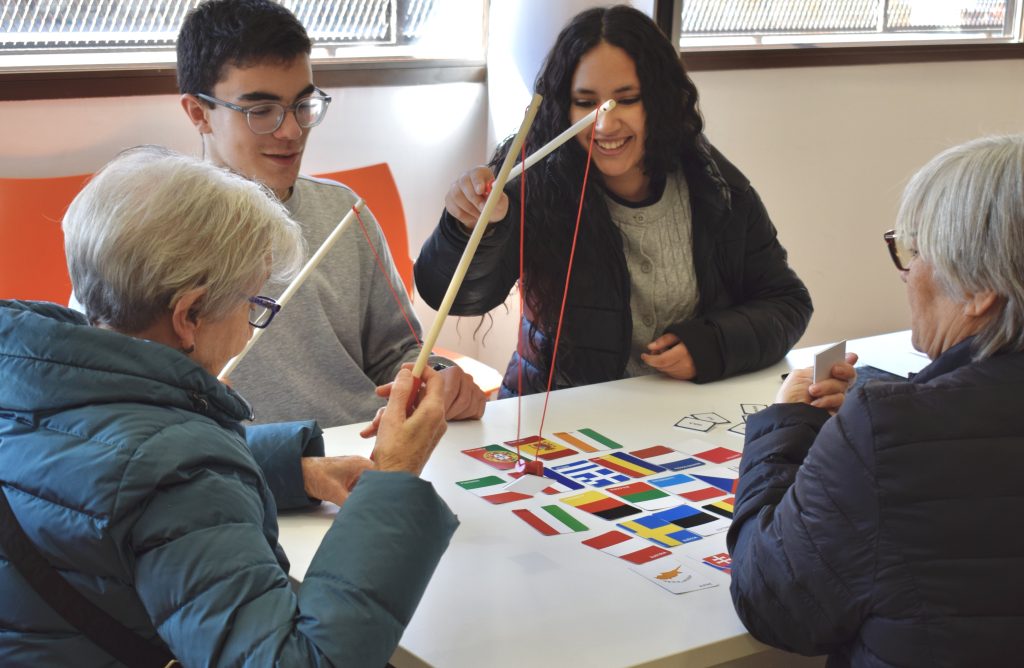
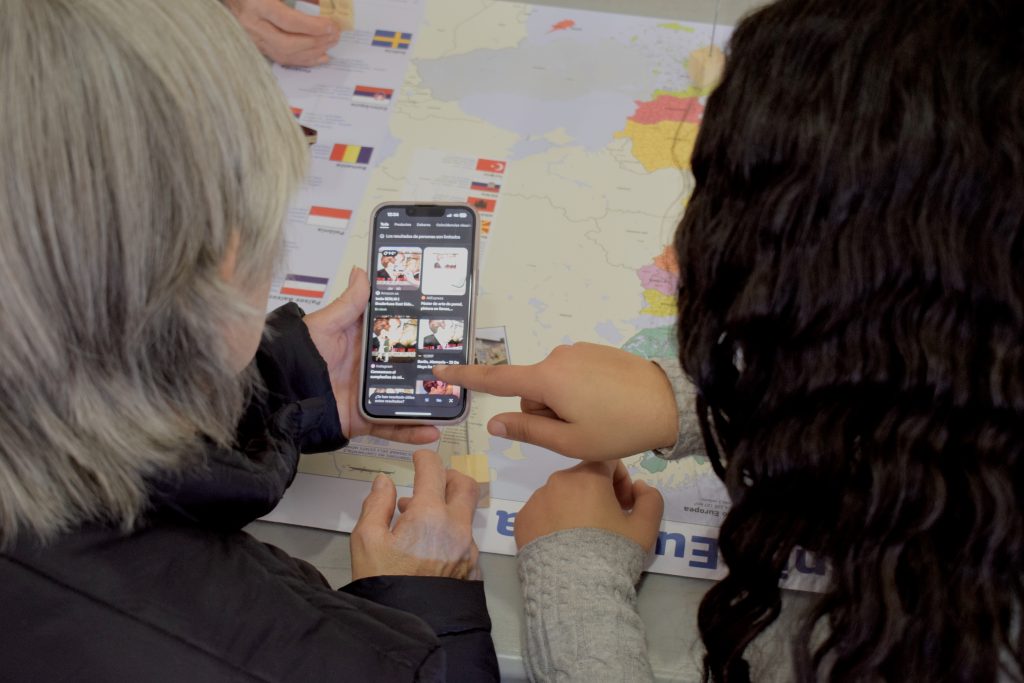
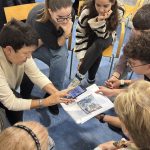
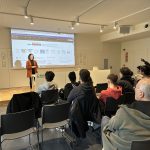
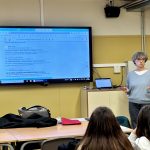
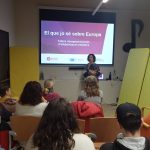
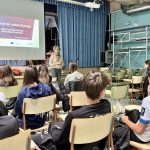
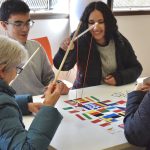
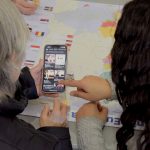
The project launched this November and will run until March 2025. “What I Know About Europe. And You, What Do You Know?” employs cascading training and gamification methodologies. It includes an initial session for young participants, led by the Learn to Check team, followed by a second session where these young participants train senior citizens. During the second session, Learn to Check also introduces various digital verification challenges, which must be solved collaboratively in mixed teams of young and senior participants, encouraging intergenerational exchange. Through this approach, young people teach older participants how to navigate the digital information landscape efficiently and responsibly, while seniors, in turn, share democratic values, life experience, and historical perspectives on Europe.
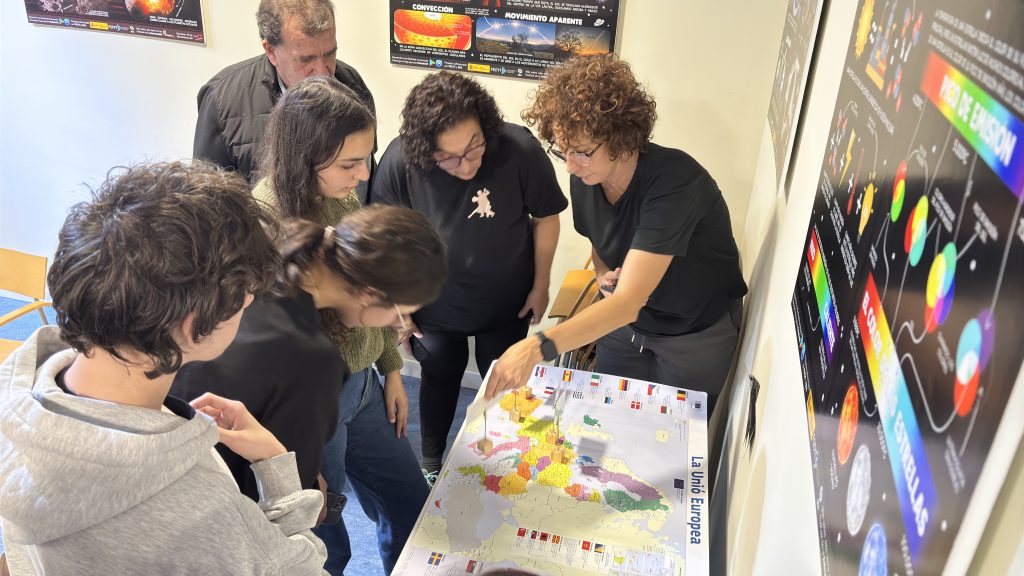
The initiative involves libraries in fifteen municipalities, where these training sessions take place, reinforcing their role as reliable information hubs and civic forums. Participating libraries are located in Castelldefels, Collbató, Granollers, L’Hospitalet de Llobregat, Lliçà d’Amunt, Martorell, Òdena, Sabadell, Sant Pere de Ribes, Sant Quirze del Vallès, Santa Coloma de Gramenet, Terrassa, Vacarisses, Vic, and Viladecans. Additionally, partnerships have been established with educational centers in these municipalities, allowing students from secondary schools, high schools, and vocational training programs to take part in the workshops.




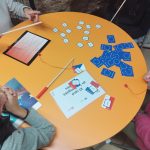


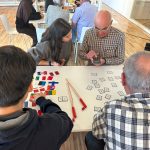
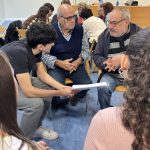
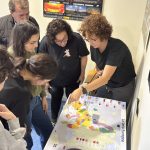
The European Commission and Disinformation
The European Commission undertakes various initiatives to combat disinformation, such as the creation of an independent European observatory—EDMO— —which brings together experts from different fields related to disinformation to fight against it. Another key initiative is the Code of practice on disinformation, signed by major industry players to establish self-regulatory standards against disinformation. Additionally, the EU External Action Service has launched the EUvsDisinfo task force. Since last February, the European Digital Services Act (DSA) has been in effect across all platforms and EU countries. This regulation aims to create a safer digital space where fundamental rights are respected.
The Representation of the European Commission in Barcelona has promoted various actions to strengthen citizens’ resilience against disinformation, including scavenger hunts, secondary school courses, and the translation of a guide with activities for teachers. You can find all the information here.
The Diputació de Barcelona
The Diputació de Barcelona is working to involve the citizens and local governments of the province of Barcelona in the European project and to highlight the impact that the alliance forged between the local world and the European Union has on a daily basis. This work of dissemination and awareness-raising on European and international issues is carried out by the Office of Europe and International Strategy (OEEI) of the International Relations Directorate of the Diputació de Barcelona.
For this reason, the OEEI aims to promote initiatives from the local level to face the challenge of misinformation and fake news about the European Union, through new proposals and participatory dynamics aimed at all citizens of the province of Barcelona, and especially the youngest. To this end, it collaborates with the Library Services Management of the Diputació de Barcelona, due to the role that libraries have as a close and direct service aimed at citizens, which can become a fundamental and strategic ally when it comes to disseminating the European project and thus contributing to the implementation of the recommendations of the Conference on the Future of Europe. The workshops are also aligned with the program “Between the Lines, reading disinformation”, promoted by the Library Services Management and the Learn to Check association itself, in which library staff have received technical training for the collaborative design of activities and materials to fight disinformation.
Learn to Check
Learn to Check is a non-profit organization dedicated to promoting media and information literacy (MIL) to combat disinformation and foster critical thinking in both the consumption and production of information. Since 2018, it has trained more than 14,000 people across Spain and develops innovative and empowering MIL projects in collaboration with over 70 organizations and public administrations, including the European Commission, the European Parliament, the U.S. Embassy and Consulate in Madrid and Barcelona, the Barcelona Provincial Council, UNICEF Spain, the Mobile World Capital Barcelona Foundation, the Government of Catalonia, and the education departments of Cantabria, Castilla-La Mancha, Castilla y León, Madrid, the Balearic Islands, and the Valencian Community, among others. Additionally, Learn to Check creates educational materials on disinformation and digital verification and conducts research on these topics.