Is AI a Reliable Source? A Manual for Searching Information
Generative artificial intelligence should never be considered a reliable source, although it could serve as an interesting starting point if we keep in mind that we should always verify what it tells us, as it may make mistakes.
The arrival of generative artificial intelligence has brought about a revolution in how we interact with technology. These AI algorithms are capable of generating new content to meet our demands—texts, images, videos, music, conversations, code— all in just a few seconds. These systems learn patterns and structures in an initial phase by training with an enormous volume of data, but they can then feed on what they learn through interaction with users to generate new ideas and capabilities in a process similar to human thinking.
What is an AI chatbot?
There are a multitude of generative artificial intelligence systems, and their uses continue to expand, but the most accessible to the general public are the so-called AI chatbots. As mentioned, generative AI can learn in a manner similar to the human brain, and it can also engage in conversations with users. That’s what an AI chatbot is—a ‘conversation robot’ to which we can request things, ask questions, seek clarifications, request nuances, changes in style… and it responds at a speed far greater than that of the human mind.

What is the difference from search engines?
The existence of conversational AI does not necessarily mean we will stop ‘googling’. It’s important to understand and learn how to use both effectively. When we use a search engine (Google, Yahoo, Bing, DuckDuckGo, Ecosia…), we are searching for information based on keywords that the search engine will track in real-time across the internet. The result will be a set of indexed links based on the metrics of various algorithms, ordered according to relevance by considering factors such as the quality of the website, the publication date, or your preferences. It’s then up to the user to choose with which information to engage.
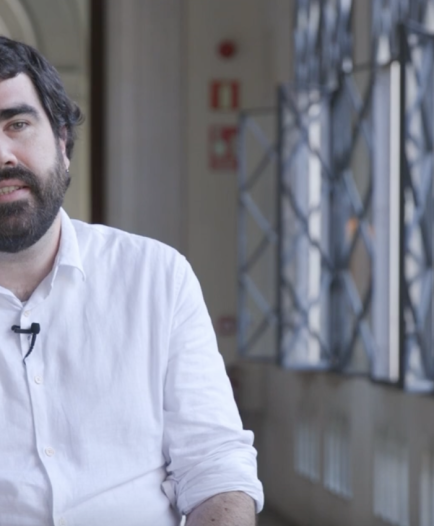
On the other hand, with an AI chatbot, we have a conversation—asking a specific question or making a request. From there, its algorithms process your language, searching for keywords to find a response either in its data bank or by connecting to the internet, synthesizing the results into a single text. Depending on the tool you consult or if you use the paid mode, the chatbot may provide the source from which it extracted the information, either with links to the original source or not. For example, ChatGPT or Gemini generally do not cite sources because they are conversational bots; however, Perplexity does so, as it is a documentary tool. Miquel Àngel Prats, a professor of Educational Technology at the Universitat Ramon Llull, explains: “It’s very important to understand that these types of generative artificial intelligences are designed for conversation and speech, to generate texts, but not for documentation.”
Can we trust its answers?
Generative artificial intelligence should never be considered a reliable source, although it could be an interesting starting point if we keep in mind that we should always verify what it tells us, as it can make mistakes. “The big mistake we can make with its use is overconfidence, what is called over-reliance—excessive trust in the result it gives us,” warns Prats. This technology is designed to interpret language, not to search for information. “Generative artificial intelligence, by nature, when it doesn’t know a concept, it invents it,” says Prats. Here are its main flaws:
Confusions, errors, and ‘hallucinations’:
When we talk about conversational chatbots being trained with massive amounts of data, we actually mean vast volumes of text of any kind (including texts with errors) because their goal is to understand how human language works. In the process, these texts also help them learn a lot about the world, but the information they provide can contain incorrect dates or data and misunderstandings. These are called ‘hallucinations’ of AI—errors caused by insufficient training data, incorrect assumptions, or biases in the data used to train the model. It is always necessary to verify the information in a search engine or the link provided by the AI to confirm its accuracy. In other words, we must always return to the original sources.
Biaixos:
El fet que tractem amb un ‘robot’ entrenat amb ‘dades’ podria donar-nos la falsa sensació que els seus algorismes no contenen els mateixos biaixos que pot tenir un humà, però els seus resultats poden estar-hi influenciats. Hi ha innombrables exemples de chatbots d’IA que donen respostes diferents a la mateixa pregunta si indiques que ets un home, una dona o una persona racialitzada. “És important entendre que la IA pot fer-te un primer esbós, però que aquest pot estar ple de biaixos de gènere, de raça…”, adverteix Prats. Això es deu al fet que el seu entrenament no està exempt de, per exemple, el context cultural de les dades proporcionades per crear el seu banc de coneixement. “Potser són dades entrenades en un context cultural molt americà o molt asiàtic que no tenen res a veure amb el nostre propi context cultural”, indica Prats. “Com més entrenament, més precisió. Però sempre a partir del que té emmagatzemat. Per això és tan important la revisió posterior”, insisteix el professor.
The most popular conversational AIs:
Existeixen multitud de chatbots d’IA i cadascun té funcionalitats diferents i estan pensats per ser utilitzats per a tasques diferents. Però hi ha quatre que, per haver estat desenvolupats per gegants tecnològics, s’han convertit en els més populars entre els internautes per fer consultes. Són els següents:
- ChatGPT: Desenvolupat per OpenAI, és el més popular d’ells per haver estat el primer a sortir a internet en obert i per la seva capacitat d’explorar una àmplia varietat de temes. En la seva versió gratuïta és capaç d’oferir explicacions detallades sobre una gran varietat de temes i crear textos detallats, personalitzats i ben estructurats. En la seva versió de pagament és un tot en un: conversar, fer cerques, generar imatges i documents. “És una de les solucions probablement més completes al mercat”, opina Prats. No obstant això, no està connectat a internet i presentaria problemes a l’hora de proporcionar informació molt actualitzada.
- Gemini:Creat per Google DeepMind, és l’opció adequada per a cerques complexes. És una IA multimodal, és a dir, que pot entendre diversos tipus d’informació, tant els textos que li escriguis com imatges, àudio i codi de programació. A més, té l’avantatge que pot aplicar-se a tots els productes de Google. La seva versió de pagament permet generar contingut visual i escriure codi, sent especialment útil per a dissenyadors, programadors o usuaris que necessiten explorar dades de múltiples formats. A més, es pot integrar en dispositius mòbils i aplicacions i està connectada a internet.
- Copilot: Una creació de GitHub i Microsoft. S’integra amb aplicacions de Microsoft com Word, Excel i PowerPoint i està connectada a internet. Això significa que les versions del paquet Office que tinguin Copilot Pro tindran un botó dins de PowerPoint o de Word o d’Excel en el qual ja t’incorpora la IA dins d’aquests aplicatius d’ús diari. “Aquí ja tens la possibilitat que al mateix PowerPoint li puguis demanar que et faci una presentació sobre qualsevol cosa i te la generi”, diu Prats com a exemple.
- Claude: De la companyia Anthropic, és un chatbot pensat especialment per a programadors. “Sobretot per als programadors de Python, perquè genera codi molt polit”, indica Prats. No obstant això, comparteix la desavantatge amb ChatGPT que no està connectat a internet i no pot donar dades com dates o hores.
- Mistral: Creada a França, és una de les últimes IA generatives a sortir al mercat, per la qual cosa de moment és gratuïta. Aquesta alternativa europea a ChatGPT de codi obert “té la possibilitat de generar imatges, té cercador i, de la mateixa manera que ho fan els altres, té la possibilitat de buscar i crear agents”, afirma Prats.
- Perplexity AI: Aquesta IA seria l’indicada per a aquells que busquen respostes ràpides, actualitzades i verificables amb fonts clares (ofereix enllaços a la font original), com estudiants, investigadors o professionals que necessiten dades fiables per recolzar els seus projectes, tot i que les seves respostes són esquemàtiques i concises. “Està molt pensat com a cercador referencial i documental, més que com a chatbot”, afirma Prats. “Cerca documents, és molt precís i molt consistent.” “Seria com l’alternativa del cercador de Google, però amb intel·ligència artificial”, assegura.