The intergenerational workshops against disinformation “What I know about Europe. What do you know about it?” are coming to Barcelona libraries
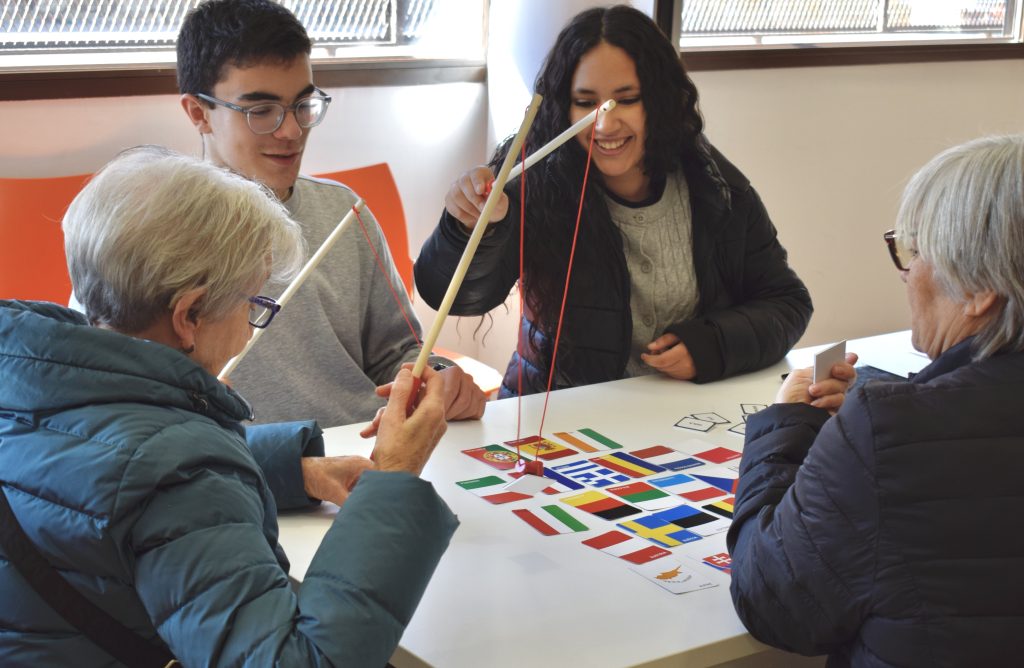
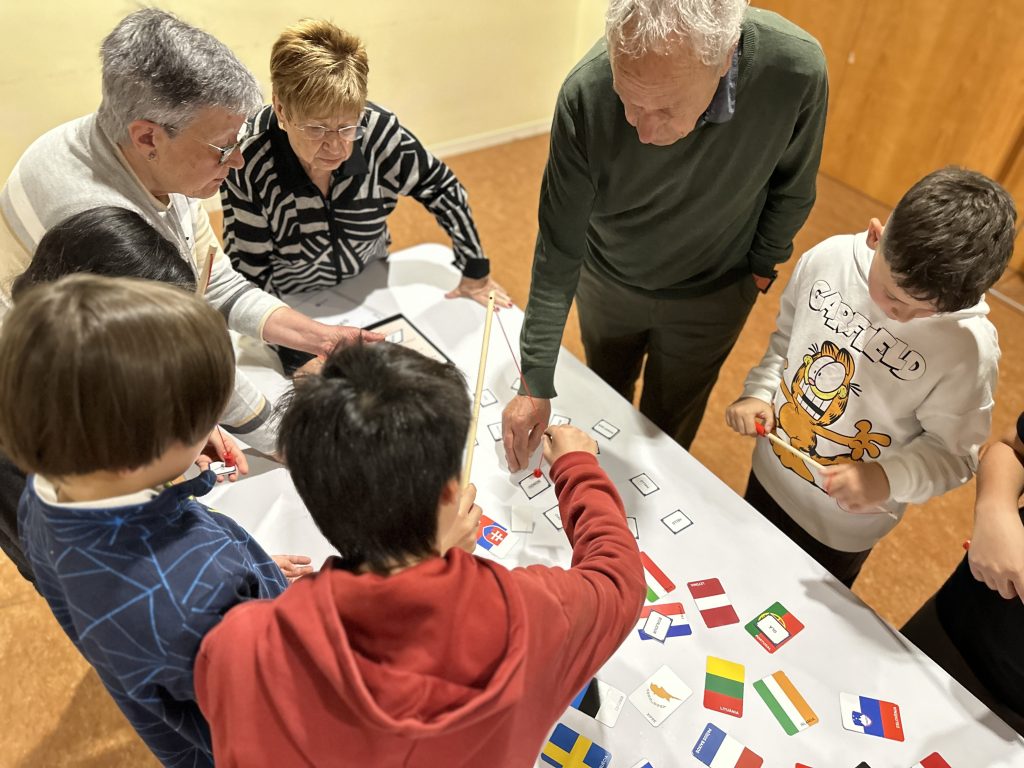
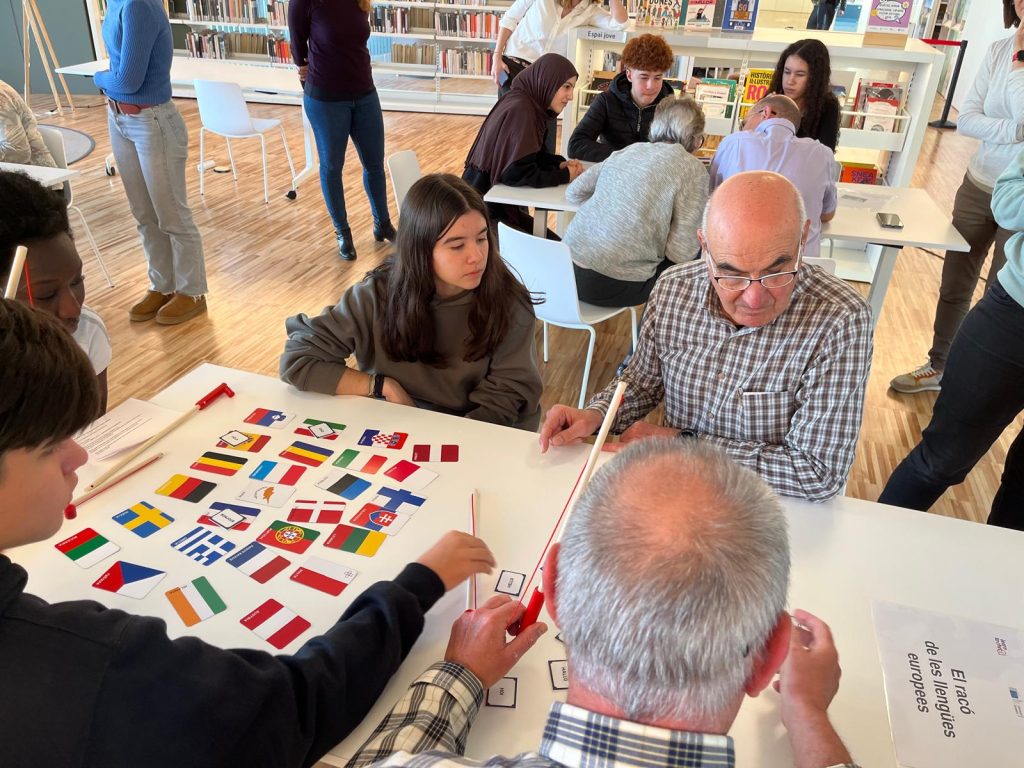
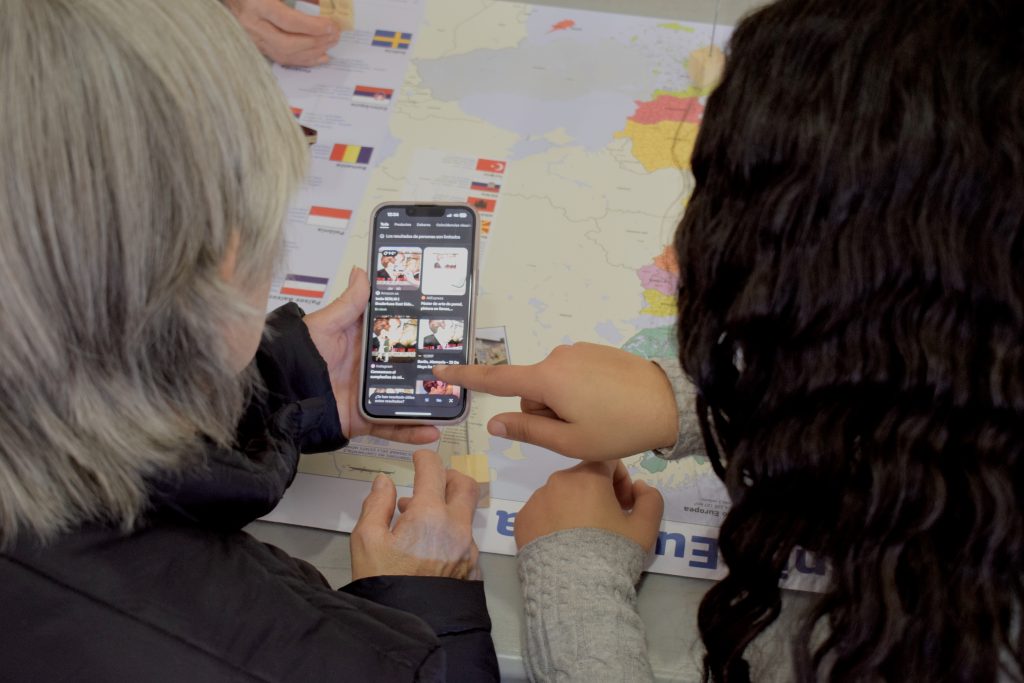
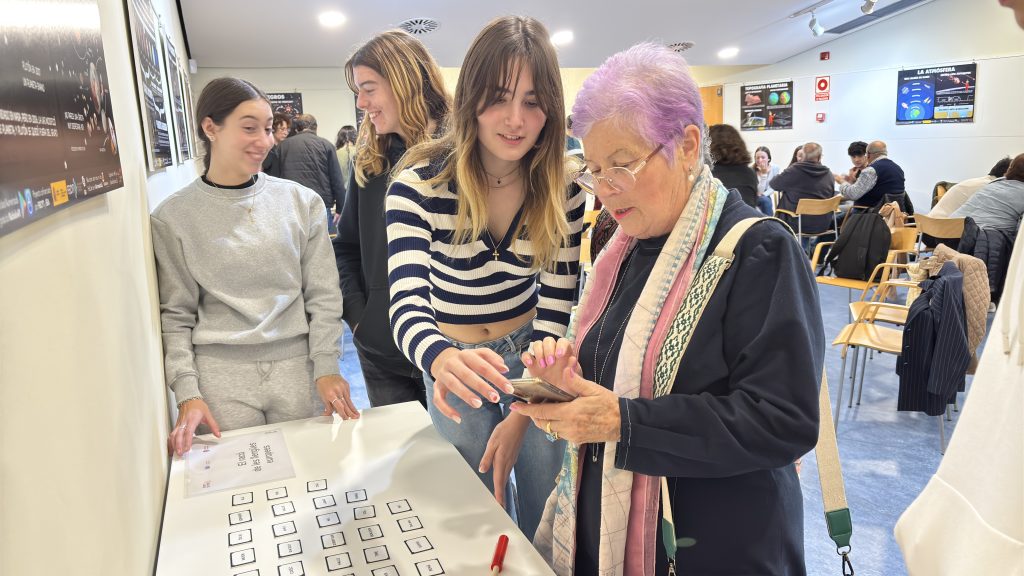
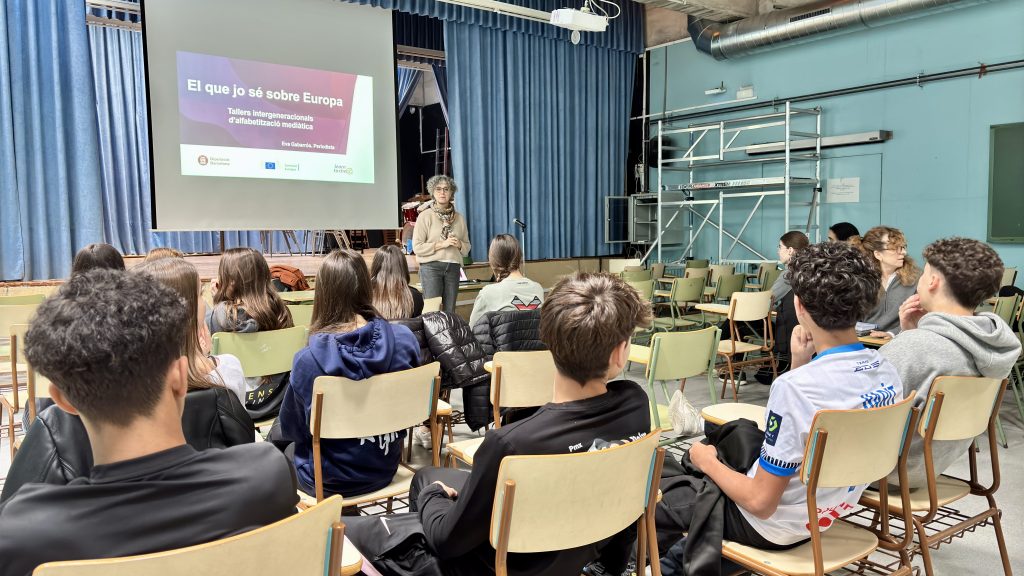
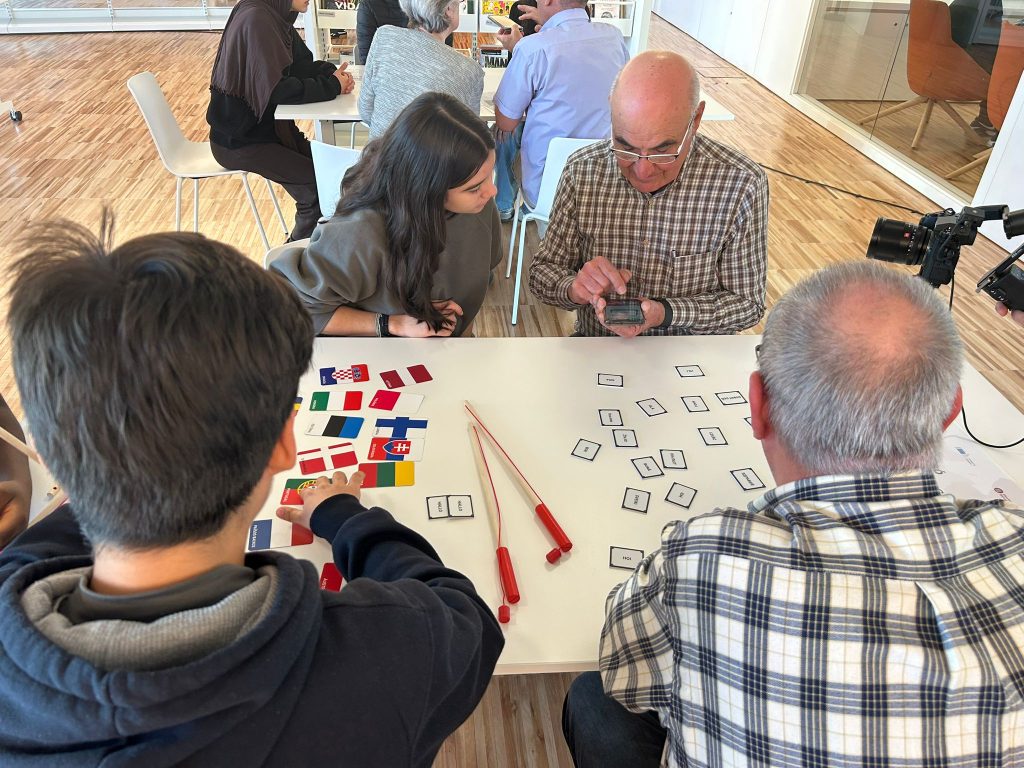
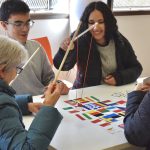
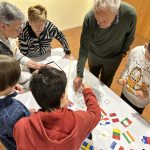
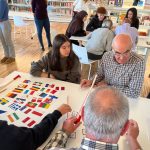
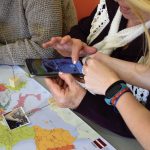
The European Commission Representation in Barcelona and Barcelona Libraries are promoting the second edition of this initiative in four libraries in the Catalan capital. The project, developed by Learn to Check, proposes a generational exchange: young people teach older people to verify information digitally and seniors share their life experience and knowledge about the old continent with students.
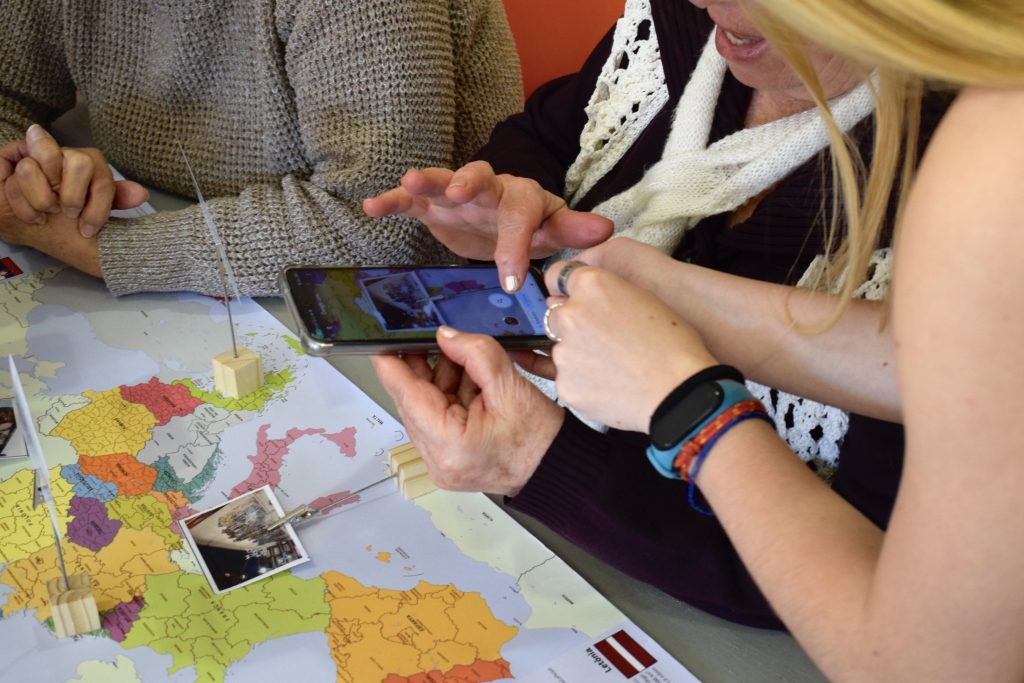
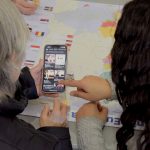
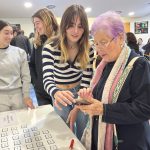
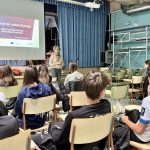
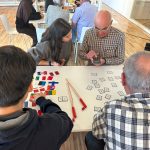
The initiative “What I know about Europe. What do you know about it?” is an innovative proposal for intergenerational media and information literacy workshops to collectively tackle disinformation and promote and share European democratic values. The project aims to train young people and the elderly against disinformation and in digital verification tools, disseminate knowledge and values of the European Union and, at the same time, create and strengthen intergenerational ties.
Last year, the European Commission Representation in Barcelona and the Barcelona Provincial Council organised these workshops, given by Learn to Check, in fifteen municipalities of the province. Following the successful reception and good results, a second edition will be launched this year in four libraries in the city with the support of Biblioteques de Barcelona.
The proposal for intergenerational workshops “What I know about Europe. What do you know about it?” aims to raise awareness of the existence of disinformation and the dangers it poses, both for young and old, to promote intergenerational dialogue and teach participants to contextualize and digitally verify information, photographs, videos and fraudulent content generated by artificial intelligence and fake social media accounts.
In this edition, each library will also work on disinformation in a specific area: Europe, gender, migration and climate change. All in all, the proposal aims to encourage critical thinking in the consumption and production of content, promote and share democratic values and defend digital rights, so that everyone can exercise, now and in the future, their right to truthful information and democratic participation without interference.
This Tuesday, November 4, the first workshop will be held at the Jaume Fuster library. The following ones will be organized at the Sagrada Família-Josep M. Ainaud de Lasarte, Ignasi Iglésias-Can Fabra and Gabriel García Márquez libraries.
The European Commission and disinformation
The European Commission is carrying out several initiatives to combat disinformation, such as the creation of an independent European observatory (European Digital Media Observatory, EDMO) that brings together experts in different fields related to disinformation in order to combat it; or the Code of Good Practice on Disinformation, which has been signed by relevant actors in the sector to agree on self-regulatory rules against disinformation. In addition, the European External Action Service has created the EUvsDisinfo working group. The EU also has the first law regulating digital services, which already applies to all platforms and all EU countries. This regulation aims to create a safer digital space where fundamental rights are respected.
The European Commission Representation in Barcelona has promoted several actions to strengthen citizens’ resilience to disinformation, such as gymkhanas, courses for secondary schools or the translation of a guide with activities for teachers. All the information is available here.
Libraries of Barcelona and disinformation
The public libraries of the city of Barcelona are key to confronting the manipulation of information and its dissemination without contrast, rigor or privacy. With professional teams trained to guide citizens, these spaces guarantee critical and responsible access to information.
The documentary collection of Libraries of Barcelona transmits values of solvency, reliability and contrast, diversity, rigor and quality. In addition, the libraries promote techno-scientific dissemination initiatives, such as the Visions of Science cycle or the Masterclasses, master classes organized in collaboration with Barcelona Activa that promote critical thinking.
Libraries of Barcelona also works closely with the education system (including formal and non-formal agents) to train critical readers. Libraries work specifically with educational centers, school libraries, civic centers and other lifelong learning agents to promote media and information literacy projects.