Keys to detecting an AI-generated deepfake video
How to observe the details, trace the origin, and rely on digital tools to verify whether a video is real or not.
Videos created with artificial intelligence, known as deepfakes, are becoming increasingly realistic and difficult to identify at first glance. They circulate rapidly on social media and can fuel hatred, manipulation, and disinformation. A recent example is a supposed video of a Muslim teacher instructing children to pray in the UK, which was shared as real but was actually generated with AI, as reported by Maldita.es. Using this example, we’ll share some basic tips for learning how to detect this type of fake content.
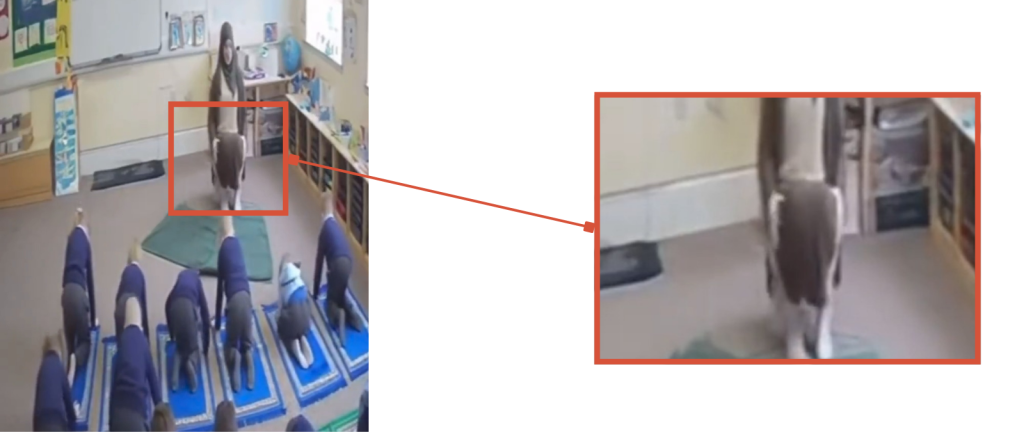
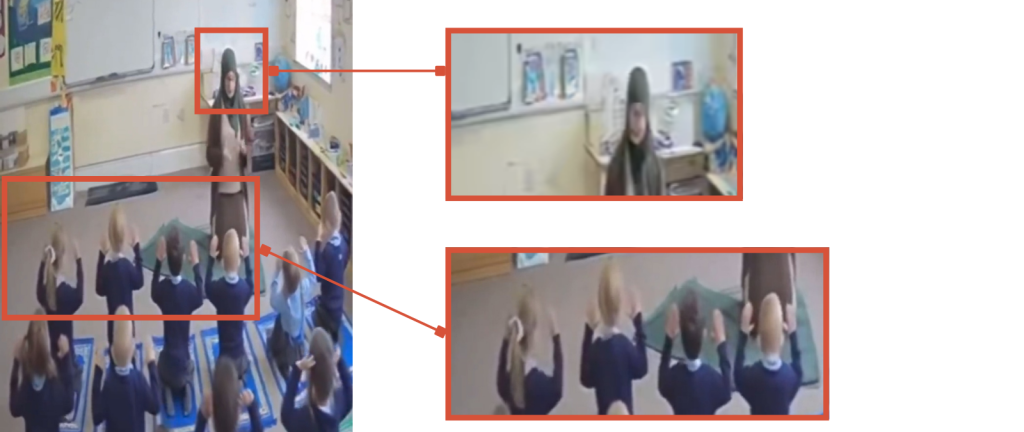
The first step is to carefully observe the visual details. In the video debunked by Maldita.es, typical AI errors are evident: the teacher sits in a chair that wasn’t there before, some movements are unnatural, and facial features appear slightly blurred. The children’s hands also appear distorted at times, one of the most common errors still produced by AI. These glitches tend to appear in complex areas such as hands, eyes, teeth, backgrounds, or during abrupt changes in posture.
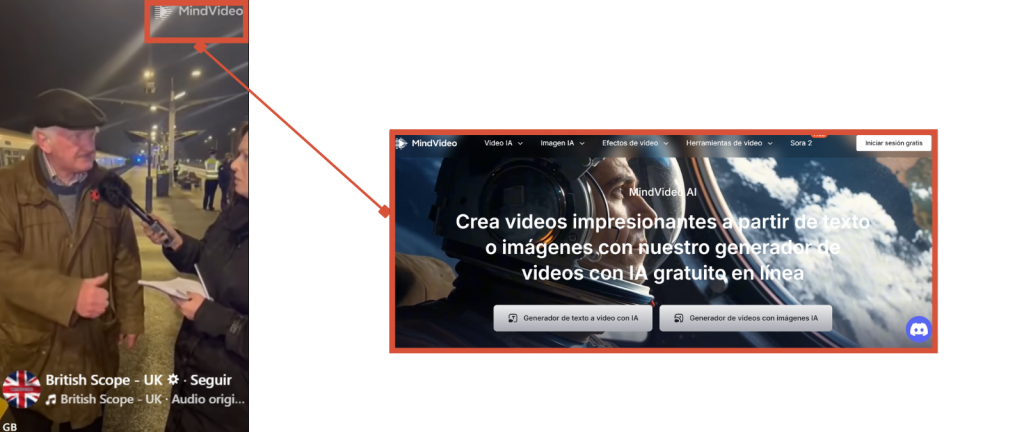
Another important clue is the video’s origin. In this case, the content was first published on a Facebook page called British Scope, which had already shared other AI-generated videos about Muslims or migrants. Furthermore, some even bore the watermark of AI-powered video creation tools like MindVideo. Investigating who publishes the video, what kind of content they usually share, and whether these watermarks appear is key to avoiding being deceived. Here you can learn more about the PANTERA method for verifying information using your critical thinking skills.
On the other hand, checking if a video has been verified by specialized media outlets is one of the best ways to protect ourselves. In this case, fact-checkers like Maldita.es, Snopes, and Facta confirmed that the video was not real. A quick search using Google’s Fact Check Explorer tool, which searches only on verification websites, indicates that this video is fake.
Another resource would be to use artificial intelligence to our advantage. There are tools, still in the testing phase and therefore not infallible, that analyze the probability of content being artificially created. The best-known are Hive Moderation (which, after analyzing the image, provides a percentage indicating the likelihood that the image was created by AI) and I or Not (which uses advanced algorithms and machine learning techniques to analyze whether images have been created by various AI models). Other tools also exist, such as FotoForensics, Illuminatry, Fake Imagen Detector or Winston AI Image Detector.
When in doubt, be suspicious, observe carefully, seek reliable sources, and remember: if a video appeals to intense emotions such as fear, hatred, or outrage, it’s best to exercise extreme caution before sharing it.