Learn to Check Trains University of London Students Against Disinformation and Religious Hate
A total of 150 students from the Political Science and International Relations degree program at Royal Holloway, University of London, participated in a workshop on disinformation and religious hate led by Learn to Check, as part of the project “Fake News, Real Victims,” promoted by EFE Verifica and funded by the International Fact Checking Network (IFCN).
The session encouraged students to reflect on the relationship between disinformation and incitement to religious hatred, using as a case study the wave of Islamophobic violence that followed the tragedy in Southport on July 29, 2024. In that incident, a man identified as Axel Rudakubana murdered three girls at a local recreation center, leading to the spread of misinformation that falsely targeted the Muslim community.
The workshop was linked to the report “When Hate Knocked on the Temple Doors,” which includes the testimony of Ibrahim, imam of the Southport mosque, which was attacked after a false rumor spread on social media that the perpetrator was Muslim and attended the mosque.
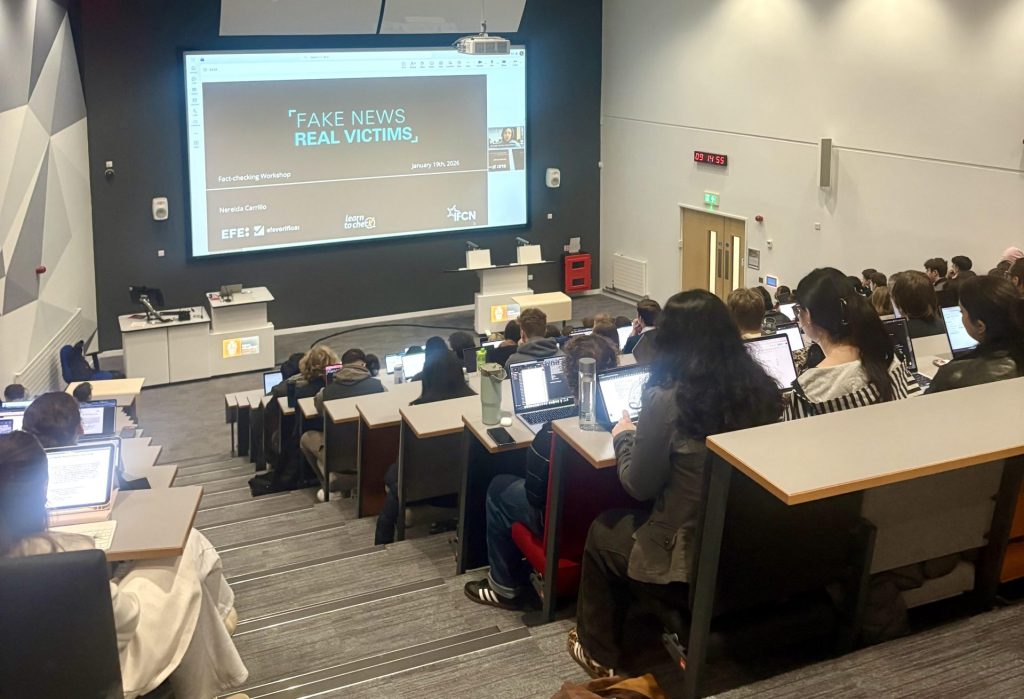
London was chosen as the workshop’s location due to its multicultural character and the need to address these phenomena in a context close to the events being analyzed. “The idea was to reach an audience as close as possible to what happened in Southport and to have a large number of participants,” explains Marina Meseguer, journalist and project coordinator at Learn to Check.
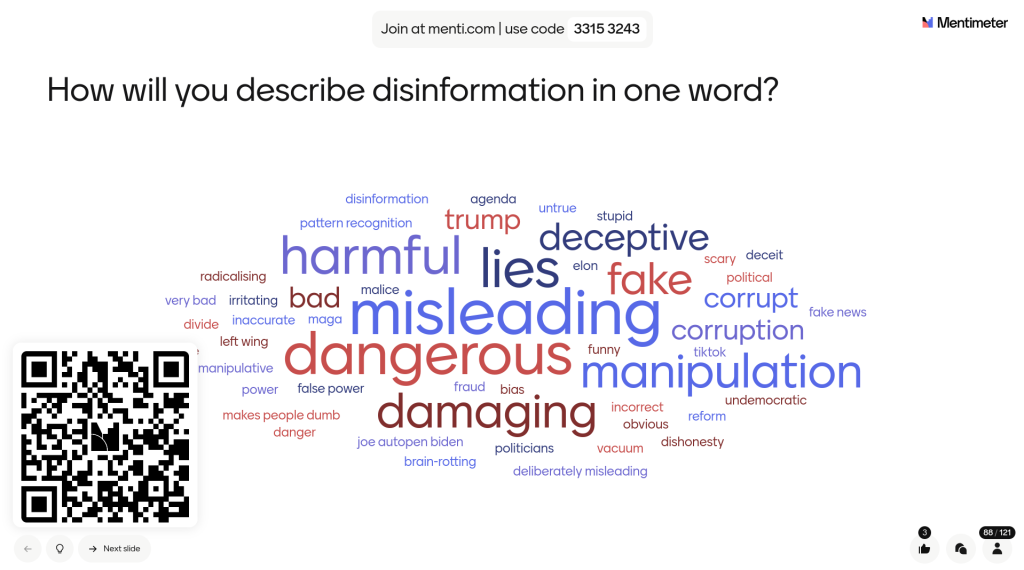
The workshop was led by Nereida Carrillo, president of Learn to Check, in an online format, and allowed participants to identify the strategies used by various disinformation actors to promote religious hatred through deception, emotional narratives, and the manipulation of content on social media.
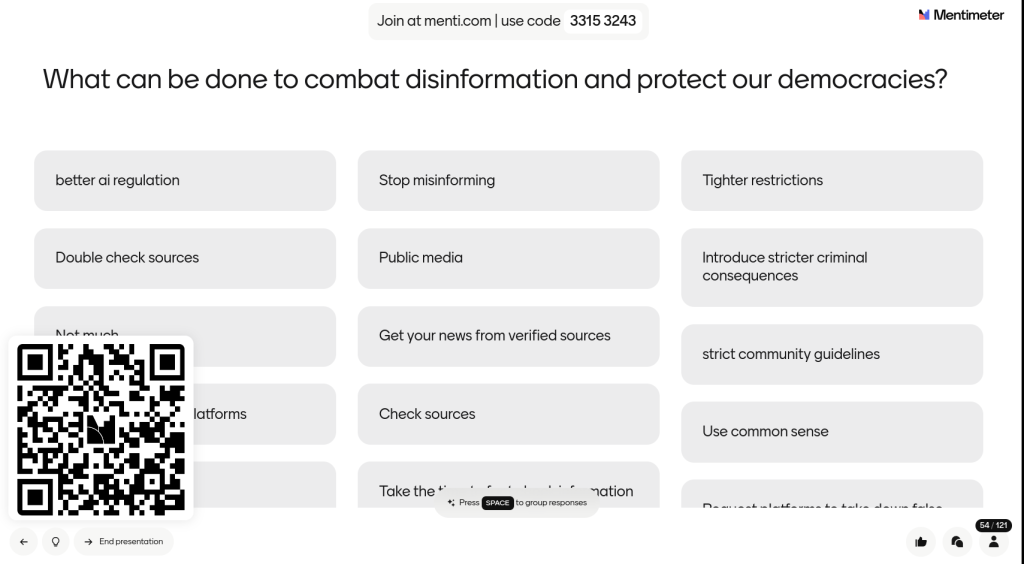
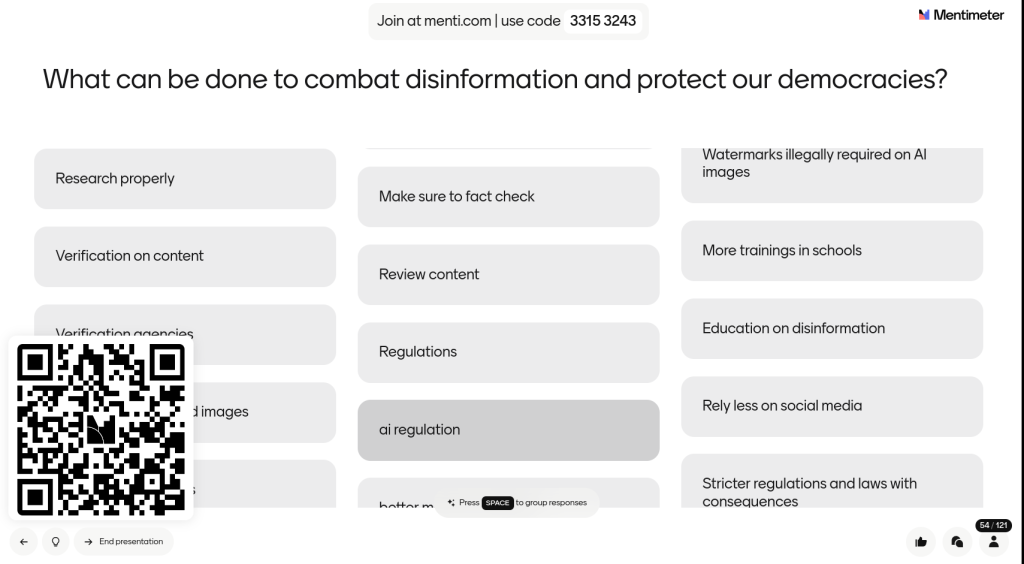
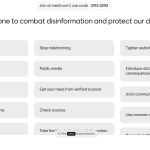
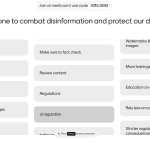
Throughout the session, students learned, through participatory and innovative techniques, various strategies to combat disinformation and strengthen democracy, both from an institutional perspective—such as promoting media literacy in classrooms or increasing regulation of digital platforms and artificial intelligence—and from the perspective of individual responsibility.
Comparing sources, seeking information from verified media outlets, and developing a critical attitude toward viral content were some of the key practices highlighted as essential tools for protecting oneself against hoaxes. Furthermore, the training provided practical resources for verifying images, videos, and social media posts, with the aim of empowering participants with long-term autonomy and technical expertise.
We repair the damage caused by disinformation
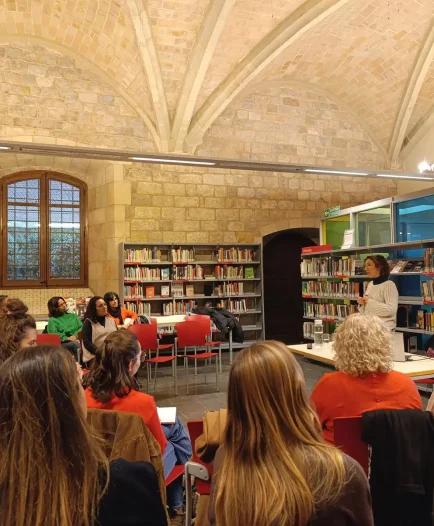
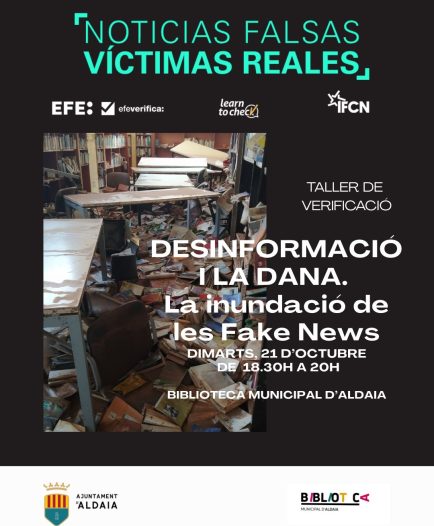
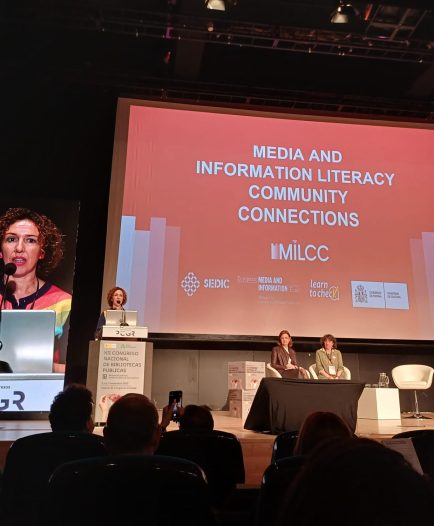
This workshop is the third of six planned within the project “Fake News, Real Victims,” an initiative that seeks to highlight the real impact of disinformation on individuals and communities. The first workshop was held in the library of Aldaia, a town in the Valencian Community affected by the DANA storm, to address the misinformation that spread after the devastating floods. The second took place in the Raval library in Barcelona, where participants discussed misinformation that incites religious hatred with an audience of people from various faiths.
One of the reports from this project, “Francisca’s Emptiness,” which tells the story of a Chilean woman sterilized against her will as a result of misinformation about HIV, won the 2025 Chilean Journalism, Memory, and Human Rights Award in the best multimedia work category.