Catalonia intensifies the fight against disinformation with educational initiatives and digital verification
The chapter of the Communication Report in Catalonia 2019-2020 written by Carrillo and Montagut is entitled “Desinformation, verification initiatives and media literacy in Catalonia” and compiles projects that work in this line in Catalonia. Among the most relevant initiatives in terms of media education in Catalonia, the ones promoted by the Consell de l’Audiovisual de Catalunya (CAC), Learn to Check, the Col·legi de Periodistes and Junior Report stand out. In this sense, the theoretical-practical workshops offered by Learn to Check, among others, are framed, aimed at all types of audiences: primary, secondary, teachers, families, the elderly and others. Since its inception and until February 2025, Learn to Check has trained more than 17,000 people. In addition, we have the Consell de l’Audiovisual de Catalunya (CAC), which promotes media education through projects such as eduCAC. Also the Col·legi de Periodistes de Catalunya, which works to promote media training, especially in schools, with programs such as “Premsa a les escoles”. And Junior Report, an educational journalistic project that brings current affairs to young people and fosters a critical spirit through a digital newspaper, media education workshops and a network of school magazines run by students with support from journalists.
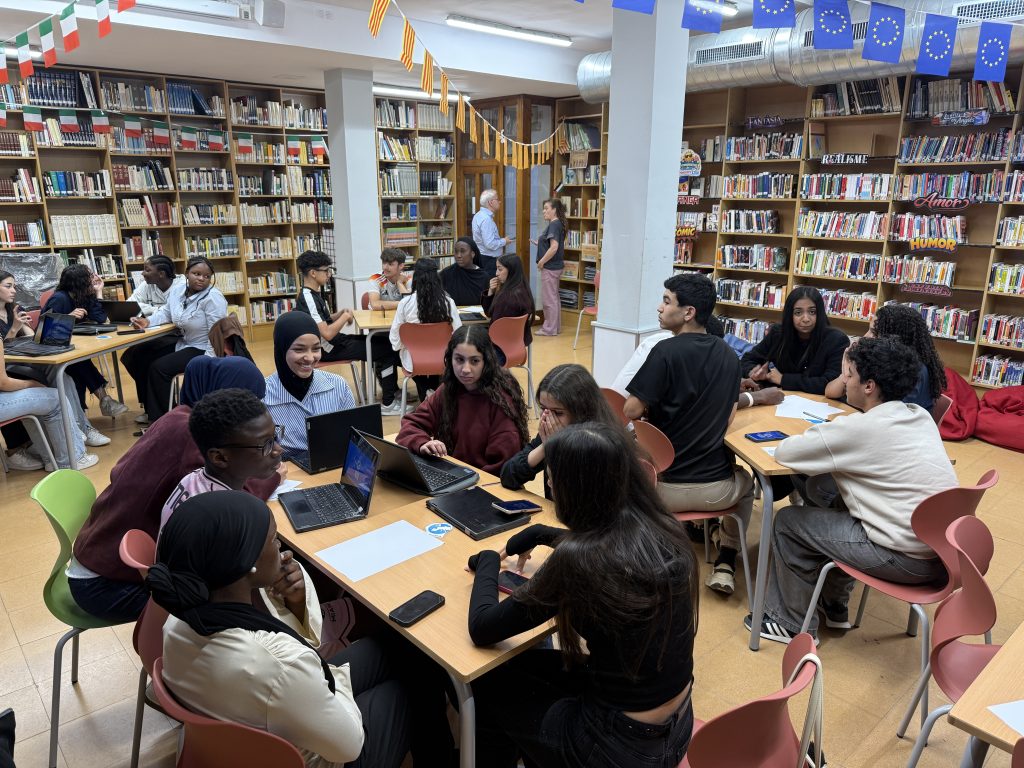
On the other hand, regarding the verification initiatives, the chapter echoes the Verificat fact-checking platform and the 3cat “Fets o Fakes” project, which have become key for the verification of information in Catalonia. With 60,000 unique users in the first three months of 2021, the platform has played a prominent role in detecting and correcting fake news, especially during the elections and the pandemic. In addition, radio programs such as “El món a RAC 1” have dedicated specific sections to disinformation, contributing to a greater citizen awareness of this problem.
At the same time, “Verificat” has been integrated into the Platform for Media Education. This fact-checking platform is dedicated to verifying information disseminated on the media and social networks. Since its launch, Verificat has actively worked to contrast data and offer critical analysis tools to citizens. In addition, it collaborates with schools and universities to promote media literacy programs, providing didactic materials and specific training to combat the spread of fake news.
The impact of disinformation during the pandemic has been one of the key points highlighted by experts, since the spread of false information has had a direct impact on decision-making and democratic health. Faced with this situation, campaigns have been implemented to promote a responsible use of social networks and avoid the dissemination of misleading content.
As disinformation evolves, strategies to combat it also adapt to new challenges. Media education and fact-checking platforms have incorporated digital technologies and social networks as fundamental tools for information verification. This evolution reflects Catalonia’s desire to continue developing initiatives that ensure truthful and reliable information for all citizens.
To read the chapter or the full report, check it here.