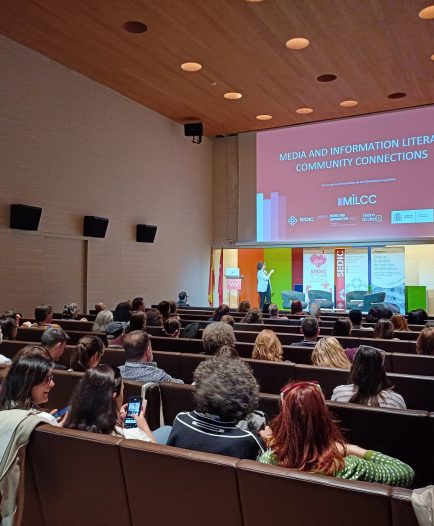
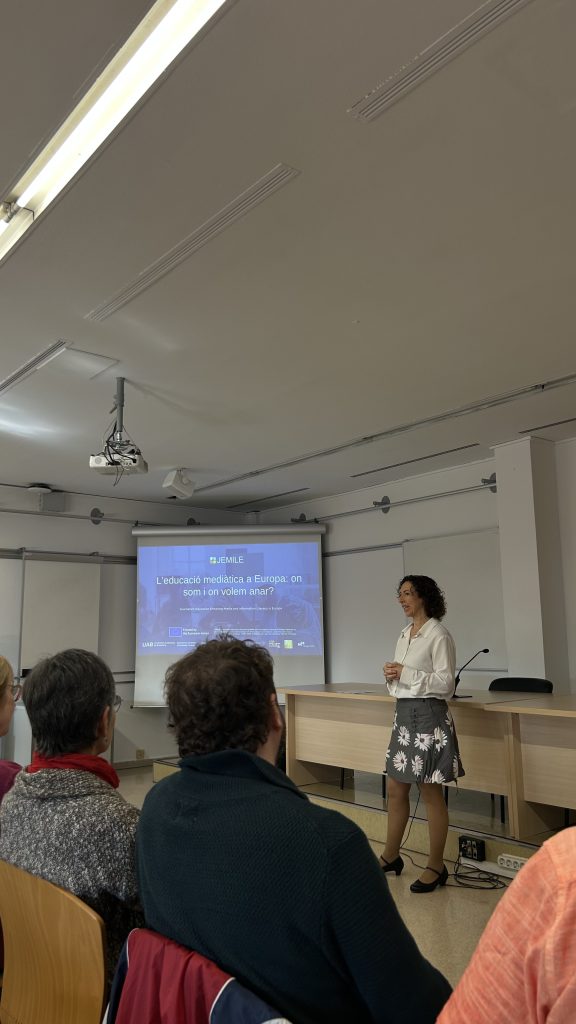
European JEMILE project launches its activities at UAB with a conference on media education
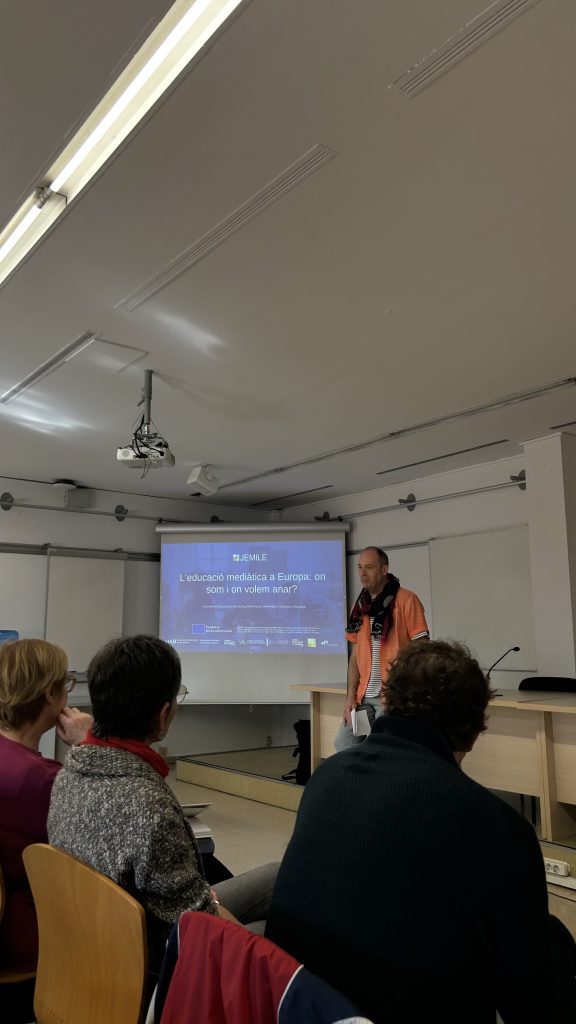
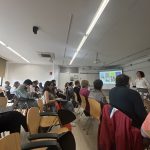
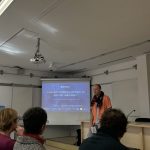
The opening keynote was delivered by Nereida Carrillo, JEMILE Project Principal Investigator (PI) and President of Learn to Check. The session also included a welcome address by David Vidal, Coordinator of the PhD Programme in Media, Communication and Culture.
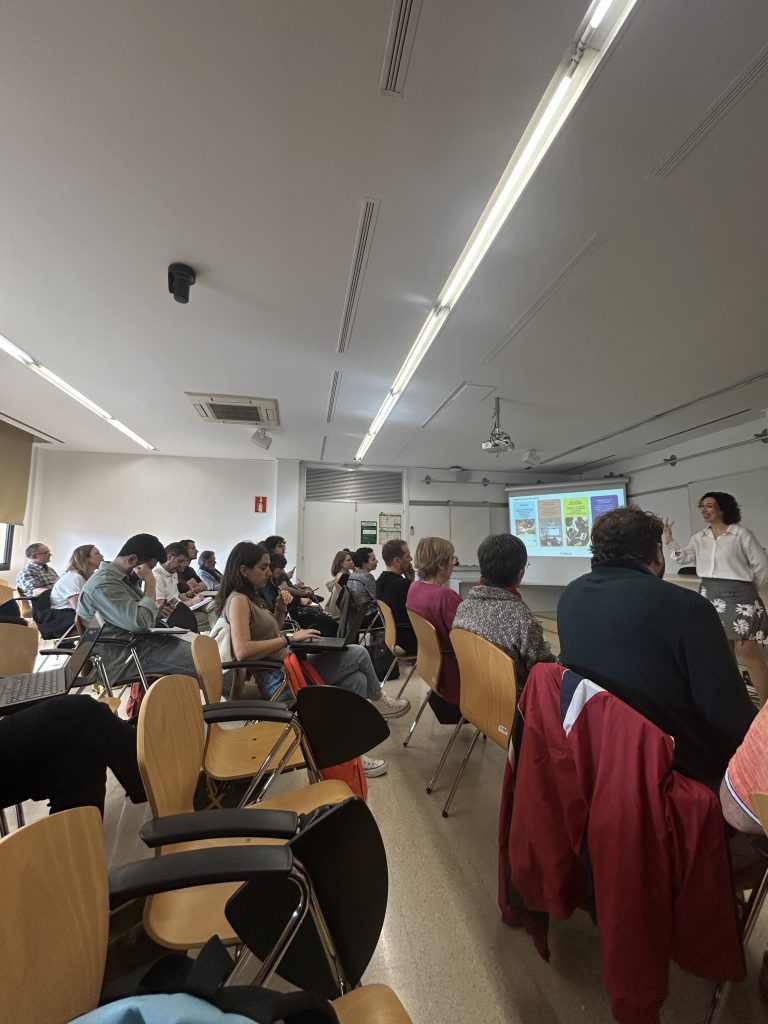
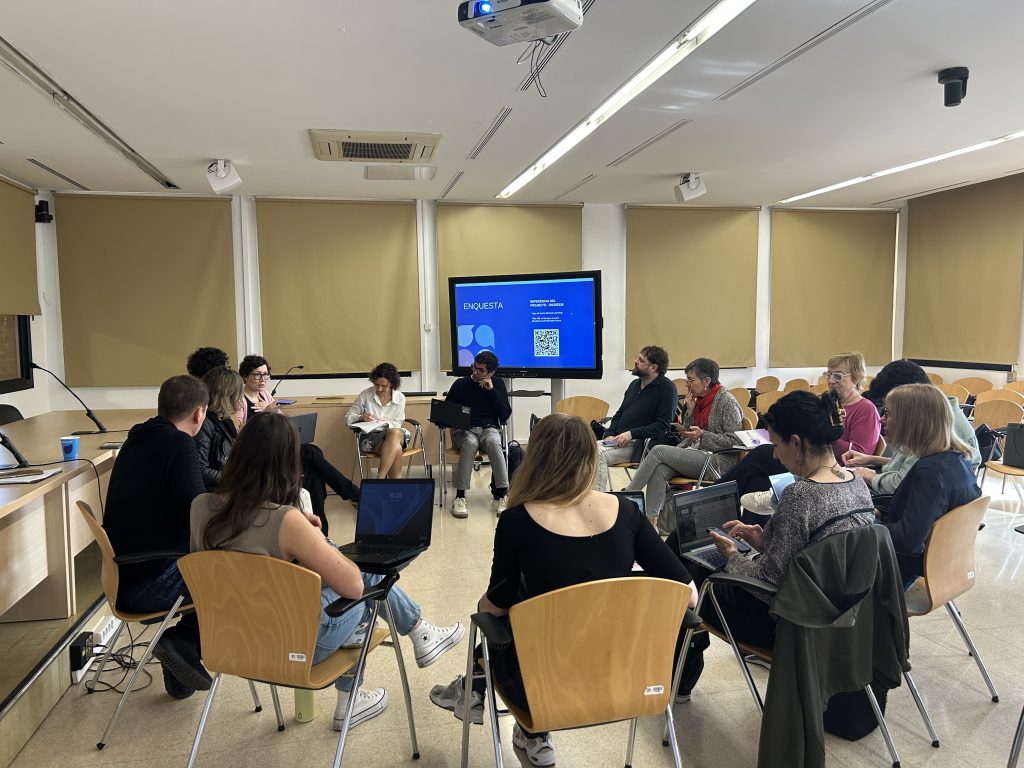
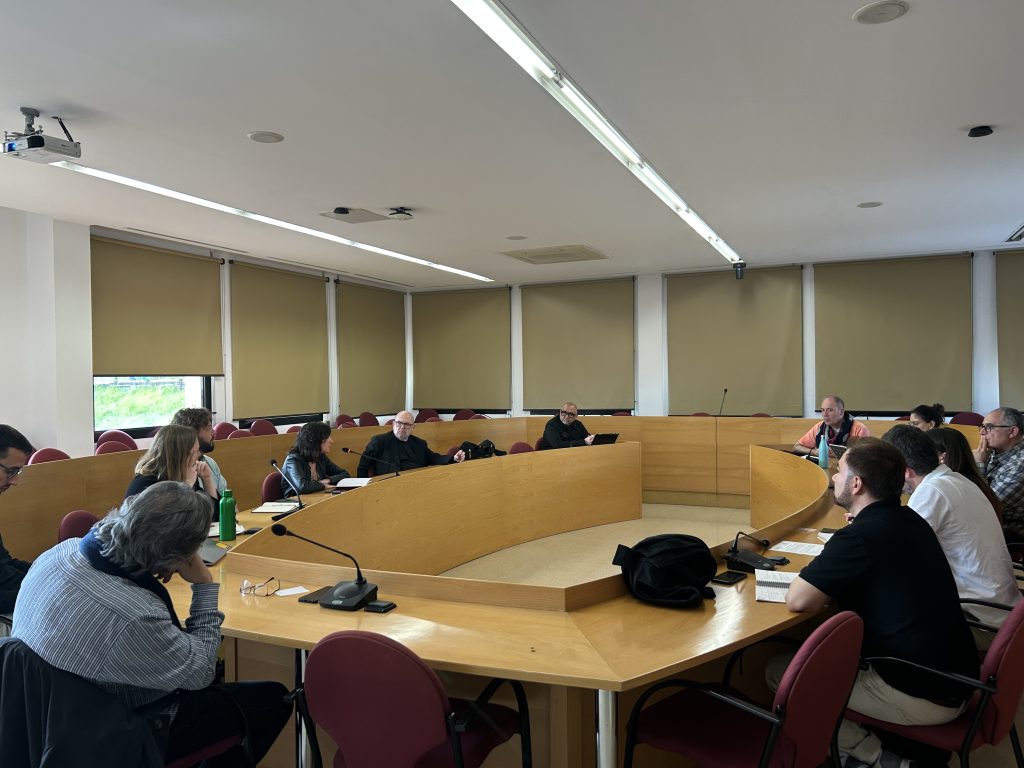
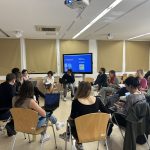
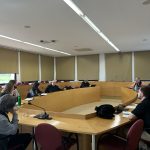
The event brought together around thirty representatives from media literacy organisations, public administration, media professionals, educators and researchers. The discussions advocated for a broad understanding of Media and Information Literacy (MIL), highlighting the need to address the lack of awareness surrounding information deficits, train teachers and university students, and expand MIL into non-formal education. Participants included representatives from the Catalan Audiovisual Council (CAC), the Media Education Platform, the Department of Education, 3Cat, XAL, ICIP and the Taula del Tercer Sector Social, as well as researchers from UAB, Pompeu Fabra University (UPF), the Open University of Catalonia (UOC) and the National Autonomous University of Mexico (UNAM).
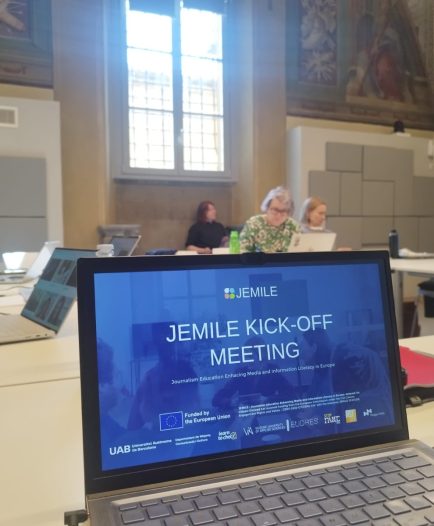
This event marked the starting point for JEMILE’s activities (Journalism Education Enhancing Media and Information Literacy in Europe), which officially began with a kick-off meeting held in Florence last March.
What is the JEMILE project?
JEMILE is an initiative funded by the European Union under the CERV programme. Its main objective is to strengthen the link between journalism and Media and Information Literacy (MIL) in order to combat disinformation and strengthen democracy. The project seeks to transform journalism education and practice from the ground up, empowering educators and future journalists to become active agents of media literacy in society.
To achieve this, the initiative is built around three strategic pillars. First, the training of trainers through the integration of MIL competencies into university Journalism curricula and the development of educators’ skills through collaboration with NGOs and media professionals. Second, student empowerment by connecting journalism students with young audiences and informal learning environments. All of this is complemented by a strong focus on applied research, providing robust evidence to combat information manipulation and rebuild trust in news.
European participants and partnerships
The two-year project is led by Haaga-Helia University of Applied Sciences (Finland) and brings together an international consortium including Universitat Autònoma de Barcelona (UAB, Spain), Babes-Bolyai University (BBU, Romania), Vidzeme University of Applied Sciences (ViA, Latvia), and the specialised organisations Learn to Check (LTC, Spain) and Media Reforms Centre (MRC, Ukraine).
JEMILE is also supported by some of Europe’s leading journalism organisations, including the International Press Institute (IPI), the European Journalism Training Association (EJTA) and the Forum for European Journalism Students (FEJS), as well as other partner organisations working in the fields of communication and education in Finland, Latvia and Ukraine.