Course 2024-25: Learn to Check becomes international
When temperatures rise and activity languish, it is time to stop, take stock and model new ideas. In Learn to Check, we want to review the many achievements of this course and prepare for the next one. And it is: What a course! This 2024-25, we have consolidated as a reference initiative in the promotion of media and information literacy (AMI) in Spain, we have expanded horizons with projects beyond our borders, we have woven new alliances, we have promoted innovative methodologies such as intergenerational workshops, we have studied disinformation from the perspective of the victims and we have published new research and informative materials.
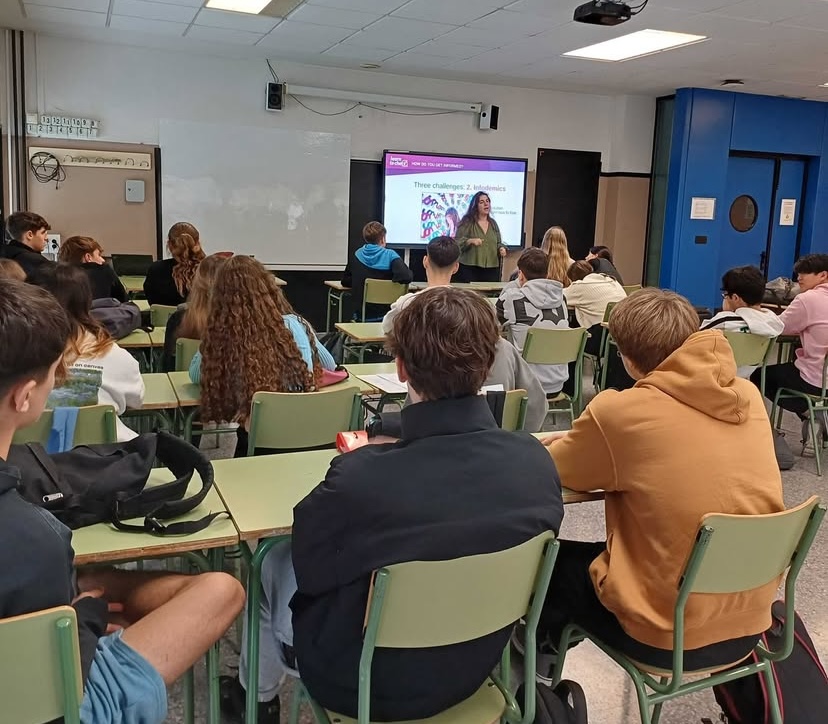
This course more than 5,300 people of all ages have passed through our formations, workshops, scape rooms, games and other activities. This brings us closer to the figure of 21,000 people trained directly from our first workshops in 2018, a milestone! This trust placed by so many people drives us to continue with our mission of awareness and fight against disinformation.
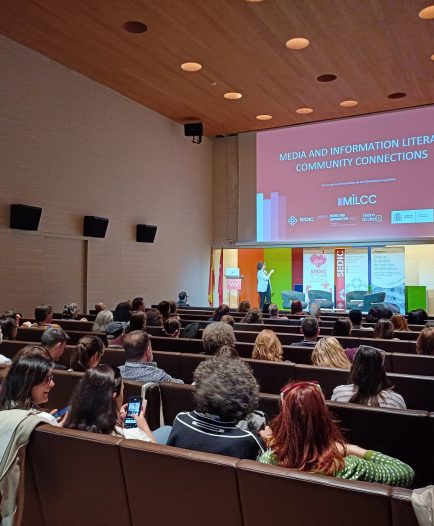
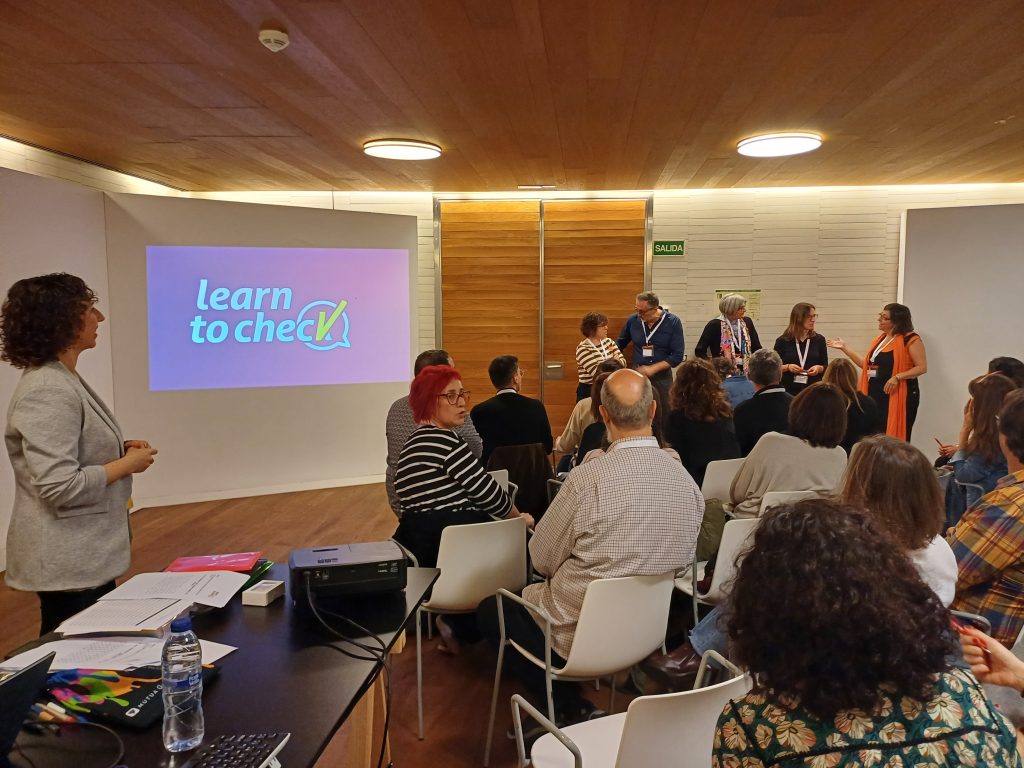
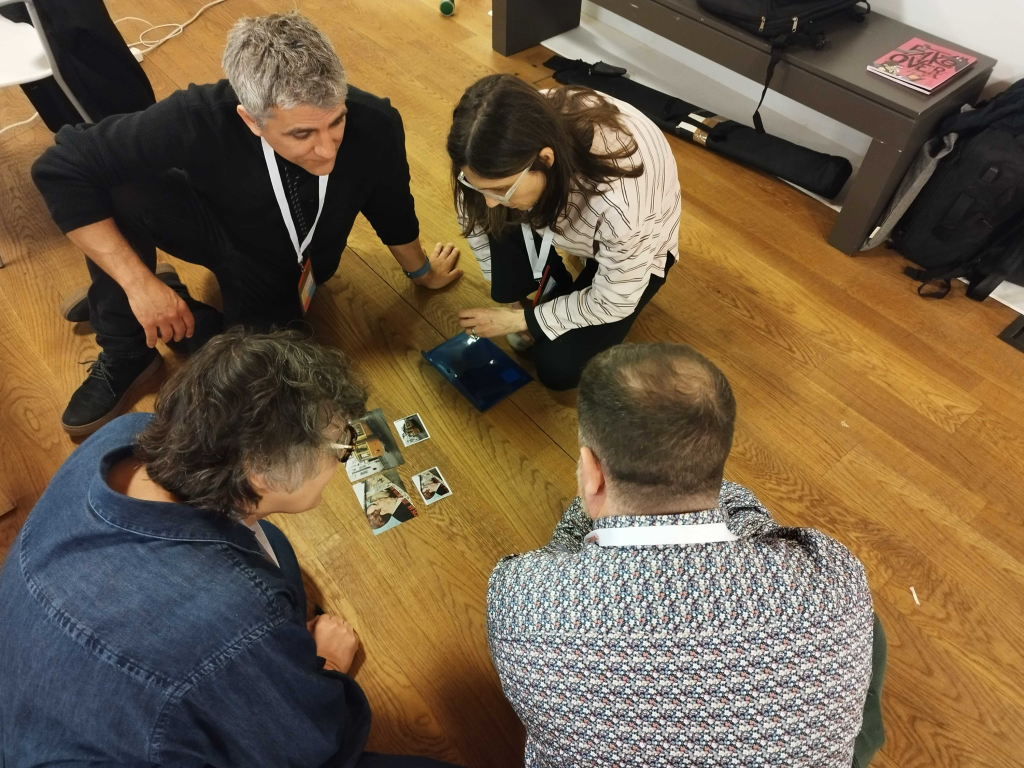
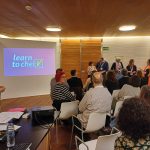
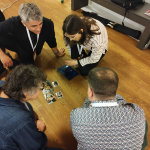
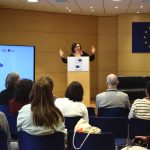
A major project promoted this course has been the training in media and information literacy of more than 100 Spanish librarians within the framework of the international project Media and Information Literacy Community Connections (MIL CC). Funded by the European Media and Information Fund (EMIF) and coordinated by the University Institute of Lisbon, it has the participation of Learn to Check and Dublin City University. This pioneering initiative has far exceeded our initial expectations and we have doubled the places of planned participants. After a training phase that began on April 8 in Madrid within the framework of the XXVI SEDIC Information Management Days, the 50 participating libraries are now preparing their AMI projects to train their communities with the advice of Learn to Check.
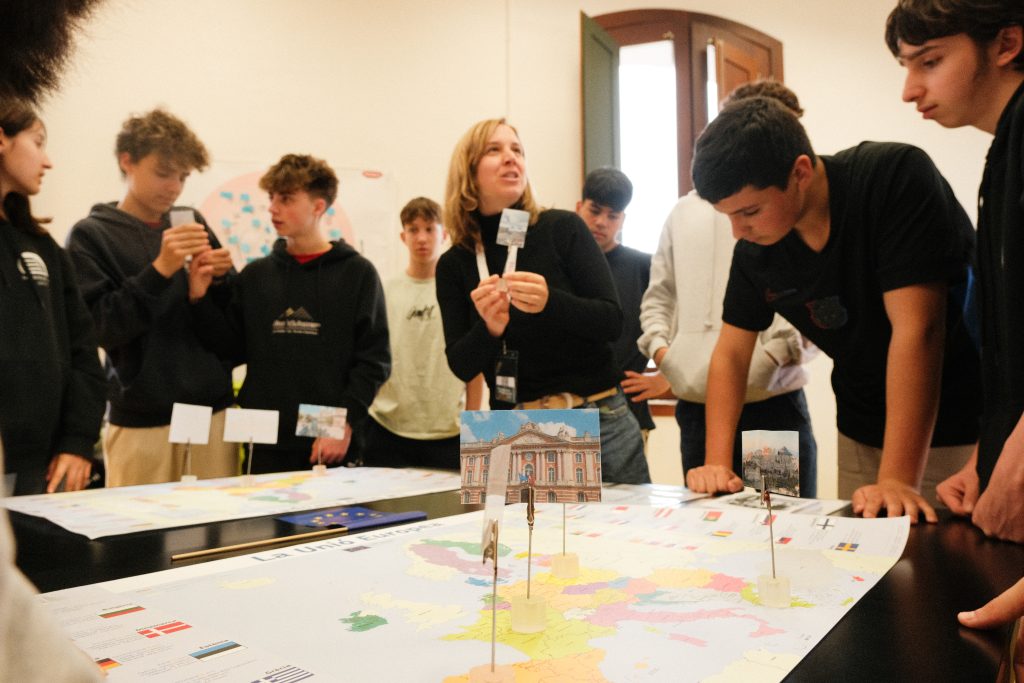
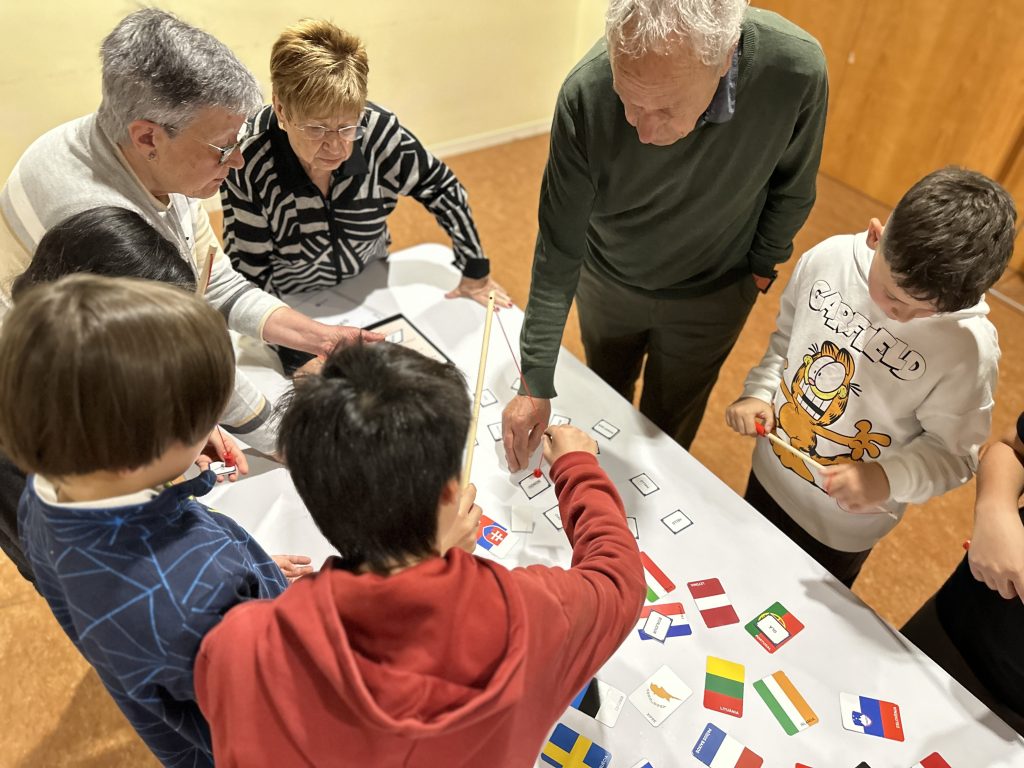
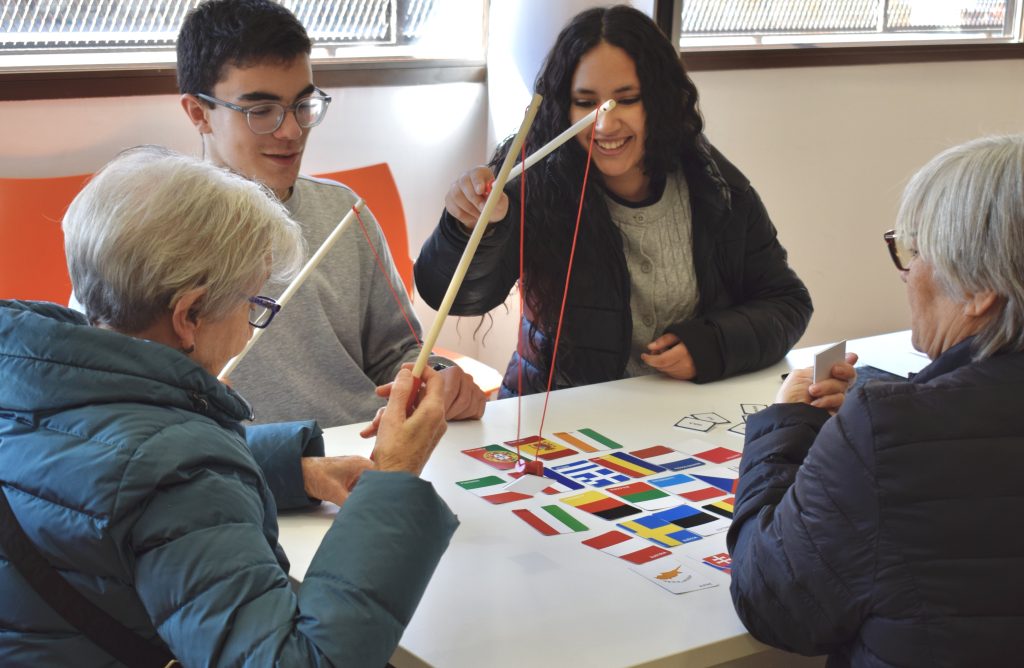
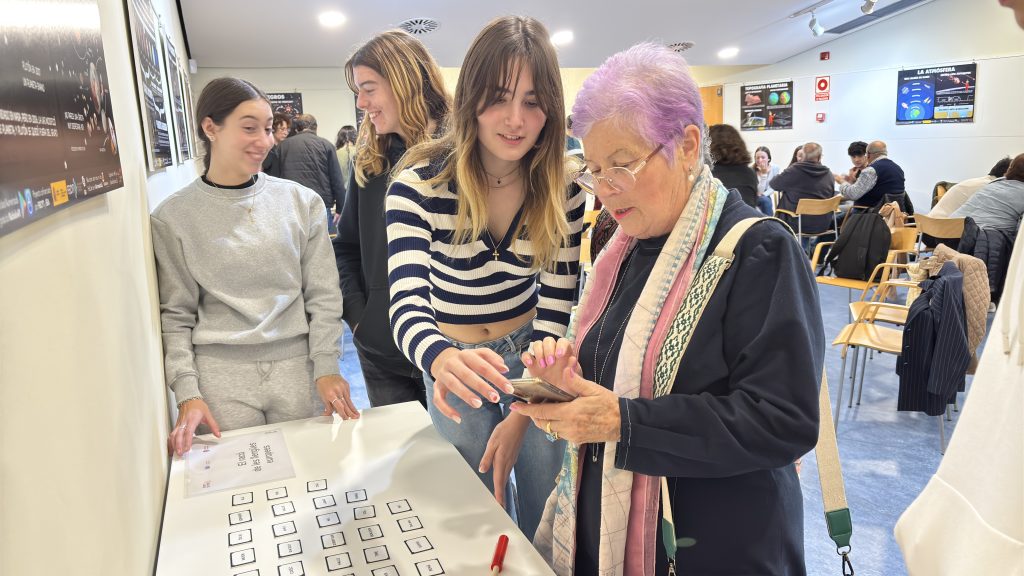
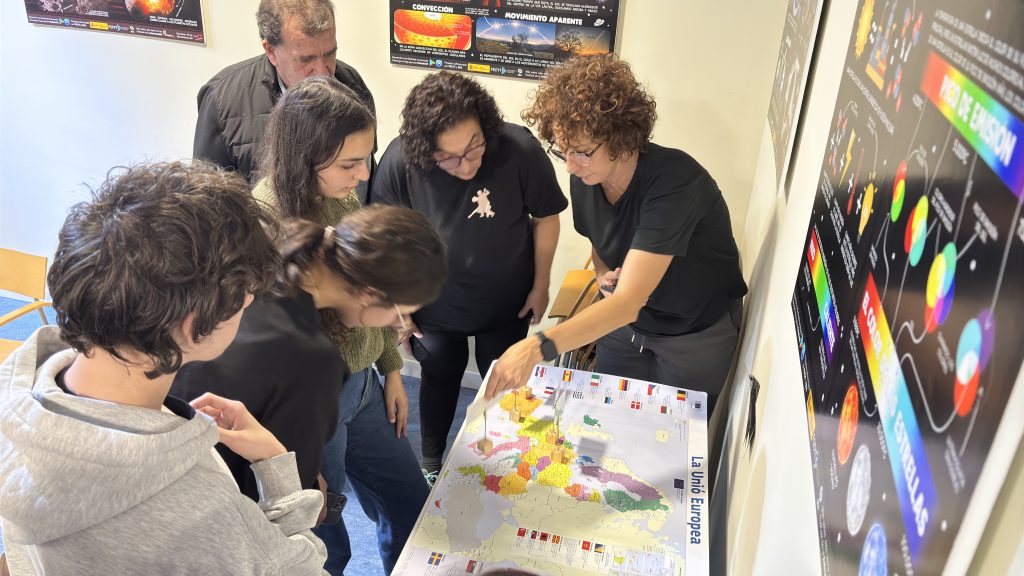
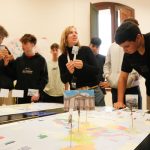
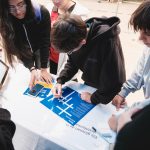
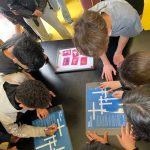
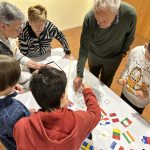
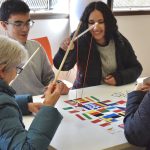
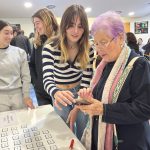
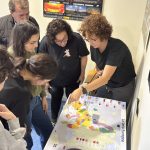
One of the most rewarding activities we have carried out during this course have been the intergenerational workshops ‘What do I know about Europe and what do you know?’. Promoted by the Barcelona Provincial Council, the European Commission’s Representation in Barcelona and Learn to Check, they have trained more than 500 people in the detection of disinformation and have promoted European democratic values. Between November 2024 and March 2025 we carried out 30 workshops in 15 locations in the province of Barcelona in which young people and the elderly shared knowledge and learned together to verify. The initiative has received very positive reviews.
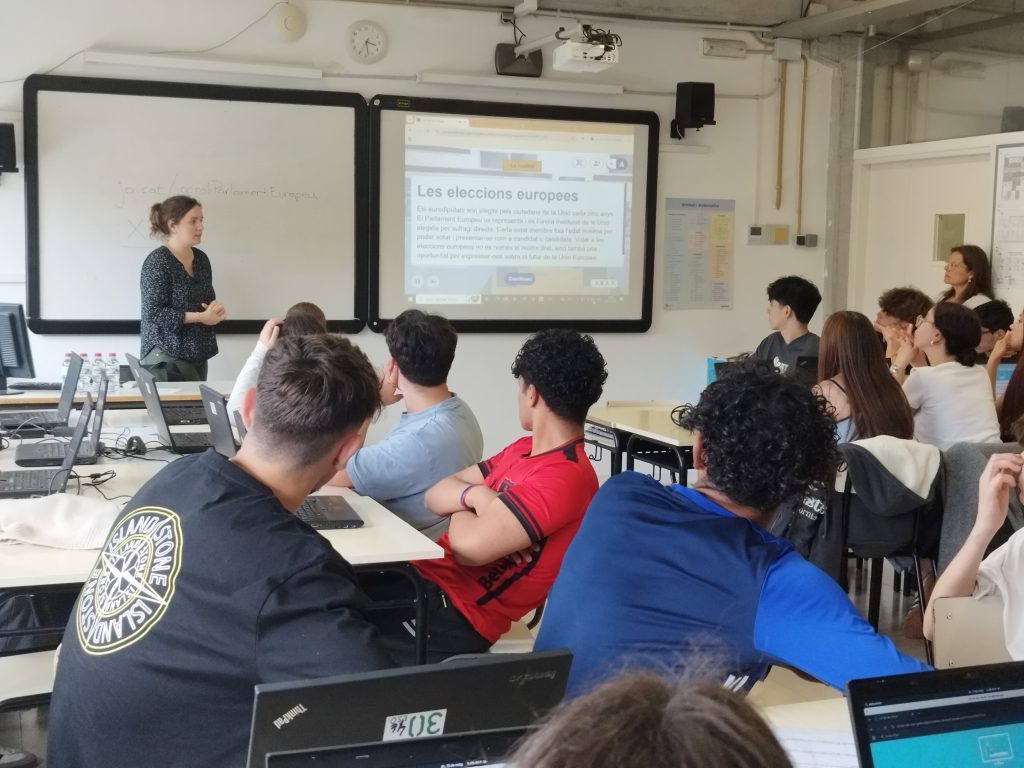
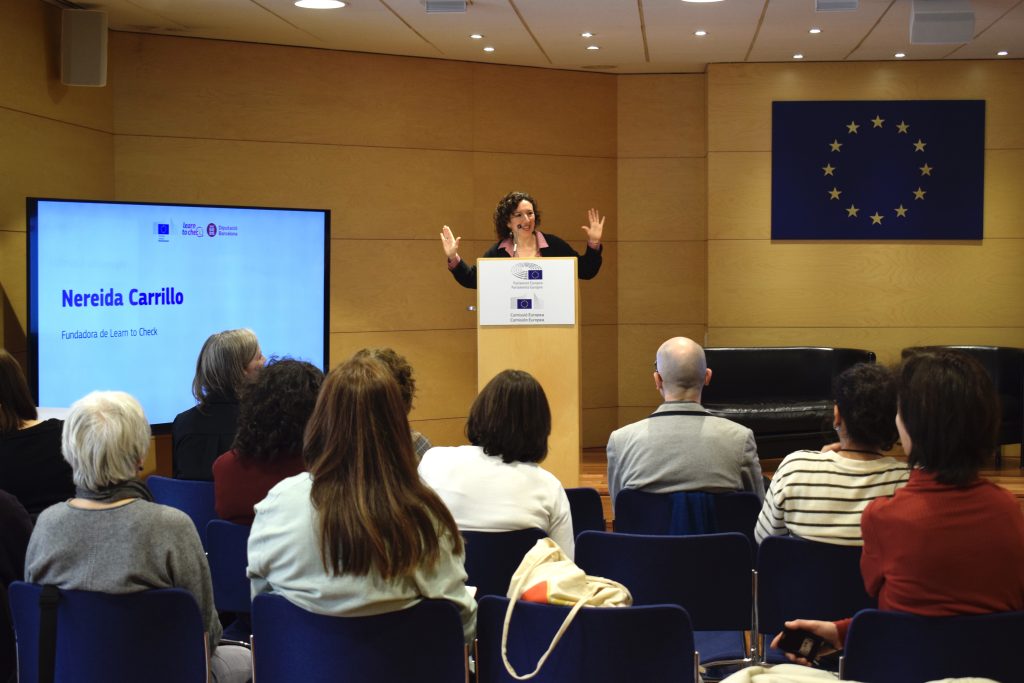
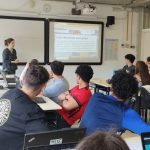
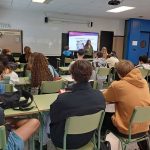
Continuing with the commitment of Learn to Check with the promotion of democratic values and the knowledge of the community institutions, during the course we have also partnered with the European Parliament Office in Barcelona to carry out the project ‘Know the European Parliament’, which has allowed 500 Catalan students to experience the operation of the European Parliament through a virtual role-playing game. In this cycle of workshops, young people have put themselves in the shoes of MEPs to debate, negotiate and vote on a legislative proposal.
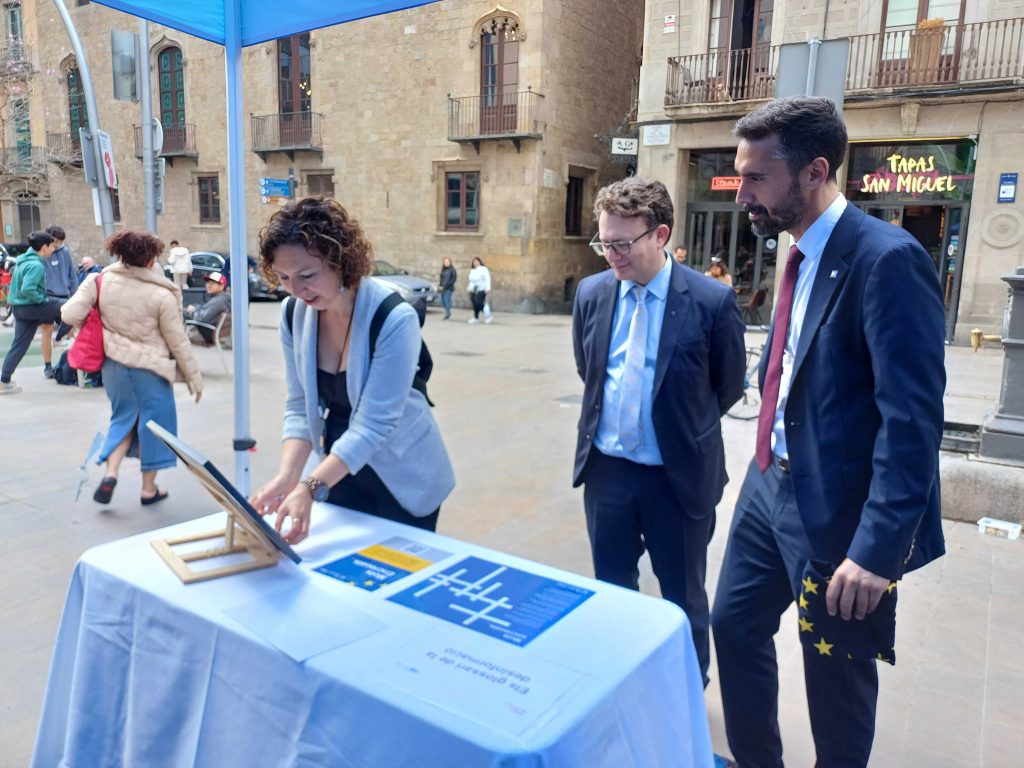
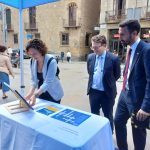
Learn to Check was also present at Europe Day celebrations on 9 May. For the third consecutive year, we organized a gymkhana against disinformation through which more than 400 primary and secondary students passed in Barcelona, Girona, Lleida and Tarragona. The activity, promoted by the European Commission together with Learn to Check and the Europe Direct centres, proposed verification tests, geolocation and source evaluation. In addition, for the first time we also participate in the central event of the European Parliament in Barcelona, where we dynamize three interactive spaces aimed at more than 600 students.
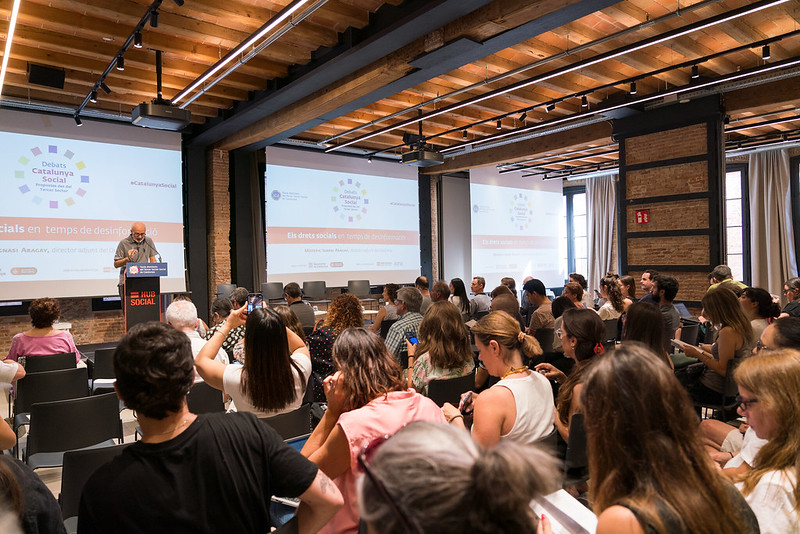
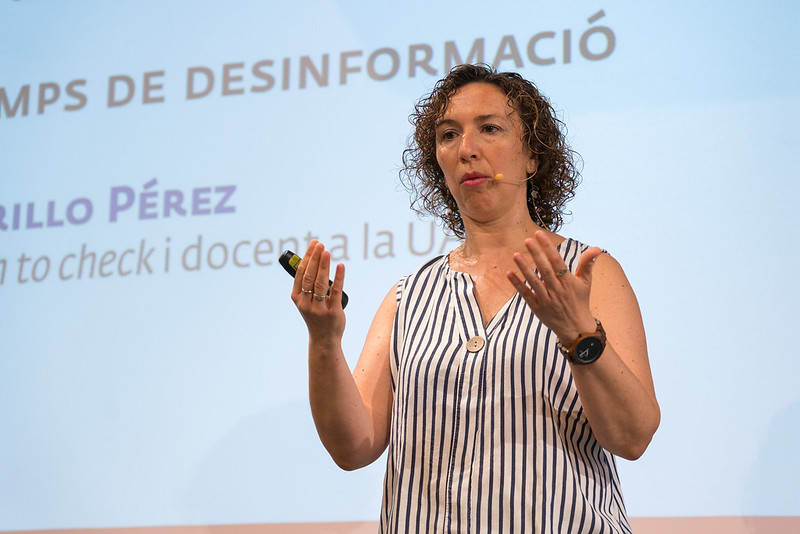
To give voice to those who suffer from disinformation in the first person, we have embarked on the project Fake News, real victims, a multimedia initiative together with EFE Verifica that makes visible the impact of disinformation through testimonies of victims on different continents. The project, supported by IFCN, Google and YouTube, seeks to humanize the phenomenon of disinformation and combat its real consequences. In this line, of investigating the impacts of disinformation on people in vulnerable situations and in social entities, the president of Learn to Check, Nereida Carrillo has developed the dossier ‘Social rights in times if disinformation’, together with the Table of entities of the Third Social Sector of Catalonia.
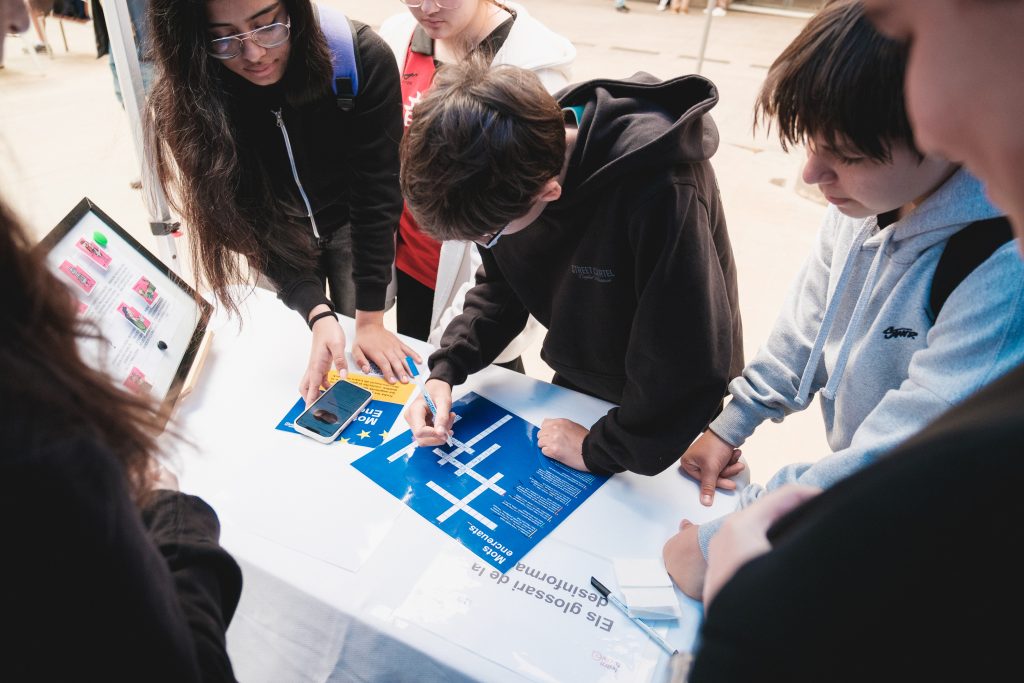
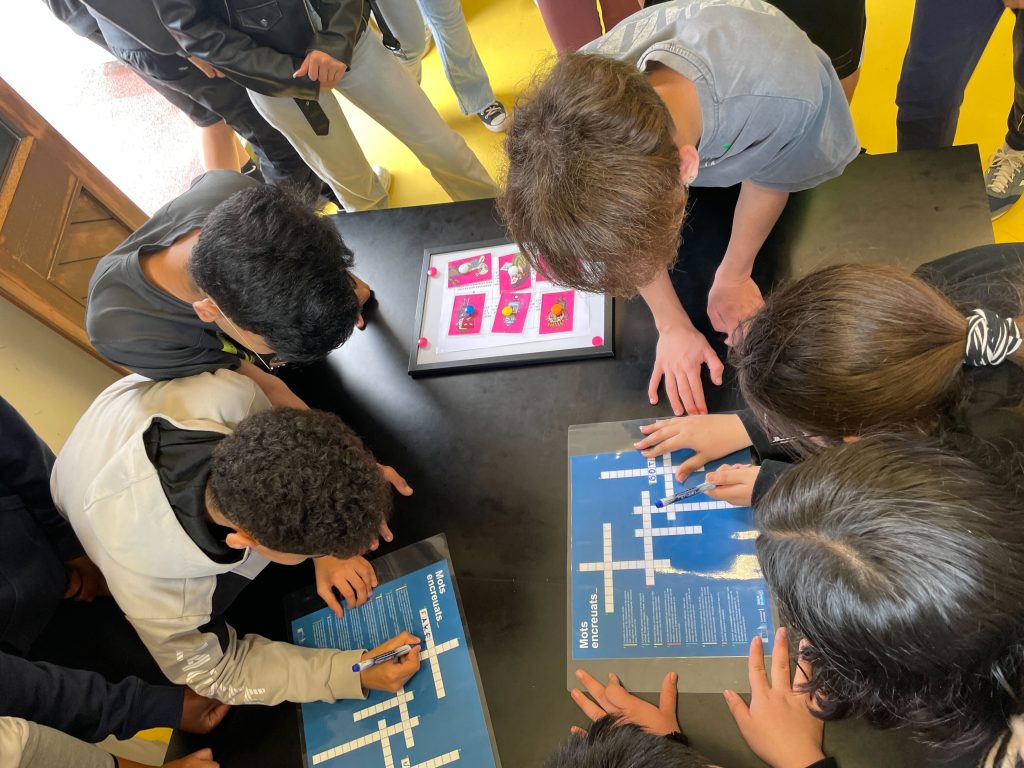
As part of our collaboration with universities, this year we have also promoted, together with the Open University of Catalonia (UOC), the Online Course on Information Verification and Fake News, a five-month training that grants micro-credentials and seeks to train citizens in the detection and analysis of disinformation. And we continue to work on informative materials and educational resources such as this collection of resources to work on lying in children’s and young people’s literature; this situation of learning about lies for primary school, our new crosswords of disinformation, as well as new informative videos with experts or informative articles on gender disinformation; how to contrast scientific information or new terms on disinformation and verification
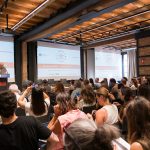
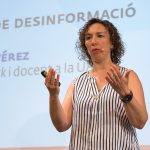
On the other hand, we have participated in numerous conferences, round tables and interviews in the media with the aim of continuing to raise awareness about the risks of disinformation and the importance of the MIL. As every year, within the framework of the World Week of Media and Informational Literacy, organized by UNESCO, the Learn to Check team offered workshops, training and participated in debates. Likewise, the entity was present at the conference organized by the Institute of Women in Madrid (on the occasion of the Day of Salarial Equality. We also participate, among other events, in a round table at the Autonomous University of Barcelona on hate speech and disinformation.










In addition, during this 2024-25 academic year we have maintained and expanded our alliances with entities committed to the fight against disinformation by collaborating with key organizations such as the Association of Journalists of Catalonia and Galicia, the Deutsche Welle Akademie, the Catalan Health School, different Spanish teaching and library centers, Iberifier, the European Journalism Training Association (EJTA), the Autonomous Solidarity Foundation, among others. Synergy that reinforces the scope and effectiveness of our training and informative actions. And everything has been possible thanks to our team of trainers, many of them also researchers and teachers in several Spanish universities, and in our network of administrations, AFAs, educational centers and people who take after the course trust in Learn to Check. Thank you all!
This year’s balance sheet is extremely positive. And we can’t stop thinking about everything that will come next year. At Learn to Check we are already working on new projects and innovative initiatives. The 2025-26 academic year will be full of new developments that will continue to strengthen critical thinking and the MIL. We will explain them to you in our new Linkedin and TikTok channels and also in Instagram and in our newsletter, to which we advise you to subscribe to receive information and materials in the first place. Stay tuned!