Dangerous Viral Challenges: How to Educate and Prevent Risks
Preceded by the hashtag symbol and ending with the word “challenge,” a wide range of challenges can be found on social media platforms like TikTok and Instagram. Teenagers, who are at a particularly sensitive stage in their life cycle when it comes to social influences, are drawn to these challenges because they provide adrenaline and personal satisfaction, along with a good number of “likes.” While the challenges that most appeal to young people are social and charitable, there are also others that can pose dangers to their physical and mental health. Both educators and families, as well as young people themselves, need to take action to manage this 21st-century risk as effectively as possible.
(Article originally published in Infermera Virtual)
Challenges on social media aim to demonstrate to oneself and others that one is capable of accomplishing something difficult. Therefore, the entire process is recorded and shared with the community through various channels, tagged with its hashtag. Others are encouraged to repeat and share the challenge. As a study conducted by the security agency Praesidio Safeguarding and TikTok states, these challenges “can be fun and safe, but they can also be risky and dangerous, potentially leading to physical harm.” Additionally, some of these challenges are false and often confuse young people.
According to a study by a group of researchers from the International University of La Rioja (UNIR) and the University of the Basque Country (UPV/EHU), published in the journal Current Psychology, 80% of teenagers have participated in a social challenge on some platform. About 20% of respondents took part in a charitable challenge, while nearly 8% admitted to having engaged in a dangerous challenge in a survey that interviewed 417 Spanish students aged 10 to 14.
A study commissioned by TikTok and conducted by a group of experts in psychology, psychiatry, and behavioral sciences surveyed 5,400 teenagers aged 13 to 19 from various countries. The study reveals that only 21% of teenagers reported having participated in an online challenge. Participation rates are higher among younger teenagers (14% of those surveyed aged 13 to 15) than among older youth (9% of those surveyed aged 18 to 19).
Understanding why these challenges are reproduced and shared is key. According to the previously mentioned study published in Current Psychology, there is a dual motivation behind this behavior. Teenagers report that proving their ability to complete these challenges provides them with adrenaline and an idealized projection of themselves on social media, along with personal satisfaction from having completed the challenge and having the recording as part of their digital identity. On the other hand, there is also a social motivation: being recognized by others, which manifests in a good number of “likes,” new followers, and plenty of praise.
Several initiatives and experts have reflected on dangerous challenges and how to discourage them among teenagers. The Dimi Cuida group in Brazil, the French association APEAS (Accompagner-Prévenir-Éduquer-Agir-Sauver), and the media education organization Common Sense Media, which advises educators and families, are among those contributing to this effort. Based on recommendations from these initiatives and other expert voices, the following ten-point guide is proposed to manage these challenges:
- Measuring Impact Carefully: It is essential to discuss and address the problem proportionately; that is, only with those teenagers who are aware of the dangerous challenge and are vulnerable. Talking about it with the entire class or group can be counterproductive, as it may “increase the exposure of children and young people to these challenges,” as noted in the guide Harmful Online Challenges and Online Hoaxes, prepared by the UK Department for Education in collaboration with the UK Council for Internet Safety Education and other partners. It is important to avoid showing videos that might scare teenagers. These recommendations apply not only to educators but also to media professionals, who, in their intent to raise awareness about a dangerous challenge, may inadvertently contribute to its dissemination.
- Empathy: Understanding why some adolescents and young people feel compelled to replicate these challenges is crucial. Families, educators, and health professionals must stay informed about the challenges that go viral at any given moment, meaning they are spreading rapidly across various social media platforms.
- Educating Critical Thinking: An effective strategy is to instill critical thinking in teenagers and young people regarding their consumption of social media content, including false and dangerous challenges. Common Sense Media encourages educators and families to teach young people to carefully examine each step of a challenge and consider what could go wrong at each stage and what potential risks exist. They also urge them to reflect on why they want to attempt the challenge and whether it aligns with the image they want to project and maintain online. Sometimes, reviewing comments can also be useful to see if anyone points out risks or consequences.
- Raising Awareness of Risks: According to the TikTok-commissioned study mentioned in the introduction to the guide, 51% of the surveyed teenagers claimed that viral challenges had no consequences. About 31% attributed negative consequences to them, with 63% of this group saying it affected their mental health. These figures highlight the low perception of risk associated with dangerous challenges among young people. Therefore, one line of work is to explain the potential dangers these challenges pose to health. The French association APEAS works in this area, providing training to prevent dangerous challenges among young people by explaining the anatomy of body parts most affected by these digital challenges (such as the skull, spine, heart, brain, abdominal organs, or blood circulation) and warning about the consequences of certain practices. This helps adolescents become more aware.
- Being Accessible: In the case of dangerous games, prevention has proven to be a much more effective strategy than prohibition, as banning a challenge can make it even more appealing to teenagers. Establishing a prior relationship of trust with the teenager—where they know they can consult an adult about the appropriateness or safety of a particular social media challenge—is crucial. Adults should be accessible and provide young people with safe spaces where they can express their doubts and concerns anonymously and safely.
- Leading by Example: Adults serve as role models for younger individuals, including on social media. Sometimes, it is the parents themselves who film their children doing challenges for social media, which can confuse them. It’s important to ensure they can differentiate between a fun challenge and a risky one. In this regard, Common Sense Media states: “Today, it may seem harmless, but tomorrow it could be more dangerous. Help your children differentiate so they can stay safe. ‘Let’s do a fun challenge together; but we’ll only record it if you want, and we’ll only share it with family.’”
- Talking, Talking, and Talking: Teenagers and young people can discuss complex issues such as suicide or mental health problems with trusted adults, whether they are family members, teachers, healthcare professionals, or others.
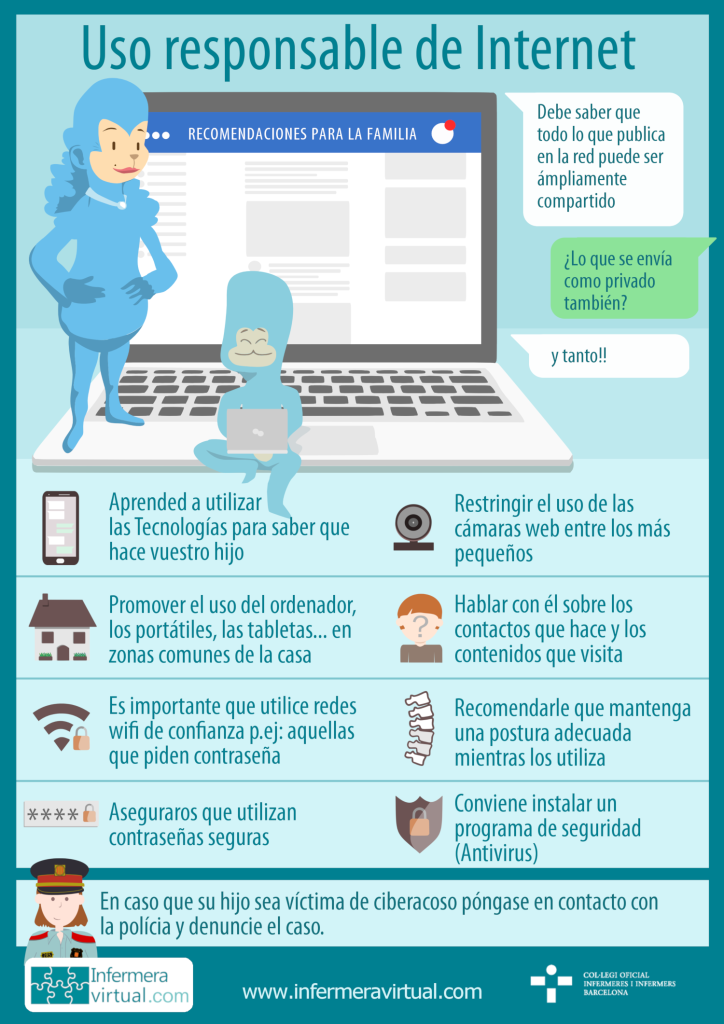
- Educating on Online Safety: The online world, where teenagers spend a lot of time, can present various risks. Understanding these risks and knowing how to prevent and mitigate them is key. Both families and educators can help prevent the consequences of dangerous challenges by educating children about digital safety.
-
- In cases of cyberbullying, the alarm raised by peers who witness it is crucial. The same applies to dangerous viral challenges. To prevent unwanted consequences, it is essential to educate young people to alert others when a peer is considering participating in a harmful challenge. Their warning can help others.
- Holding Platforms Accountable: Social media networks like TikTok and Instagram play a significant role in distributing and rapidly viralizing these health-harming challenges. As digital citizens, we can demand that these platforms take action to prevent the widespread circulation of such calls, which can even lead to fatal outcomes.
- Social Media as a Positive Tool: This is one of the recommendations from the British guide, which urges families to “focus on positive and empowering online behaviors with their children, such as critical thinking and how and where to express their concerns about harmful content, as well as how to block content and users.”
The challenges presented by social media will continue to evolve, but these preventive and educational measures can be effective in mitigating the dangers of new challenges that circulate online.